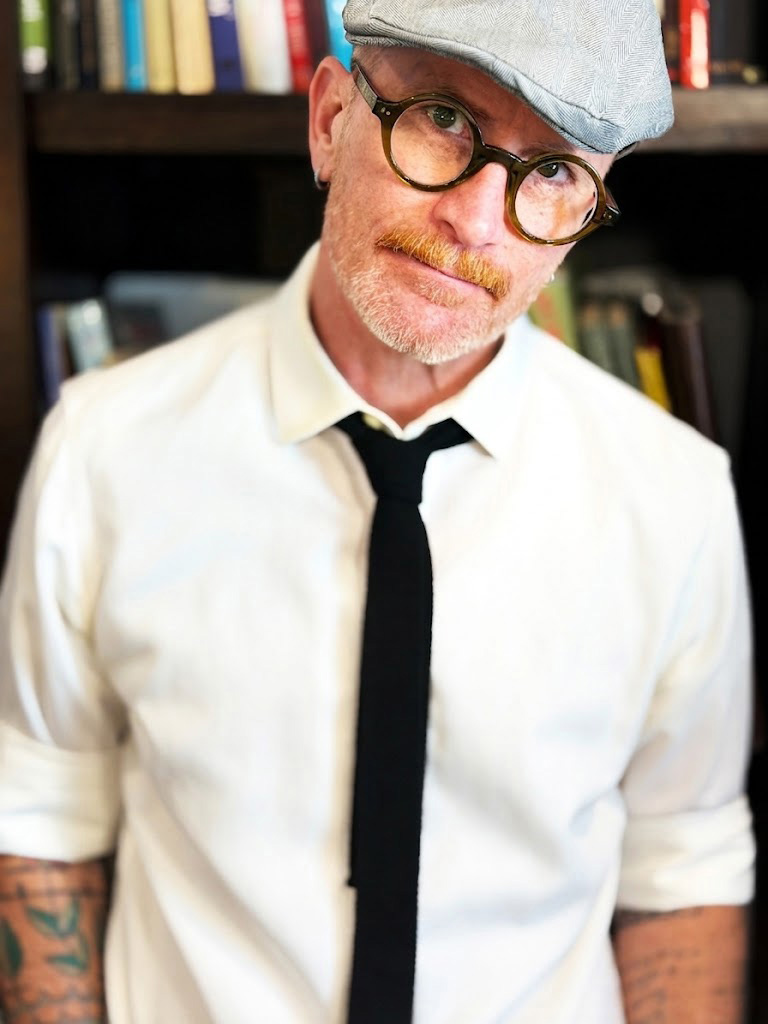
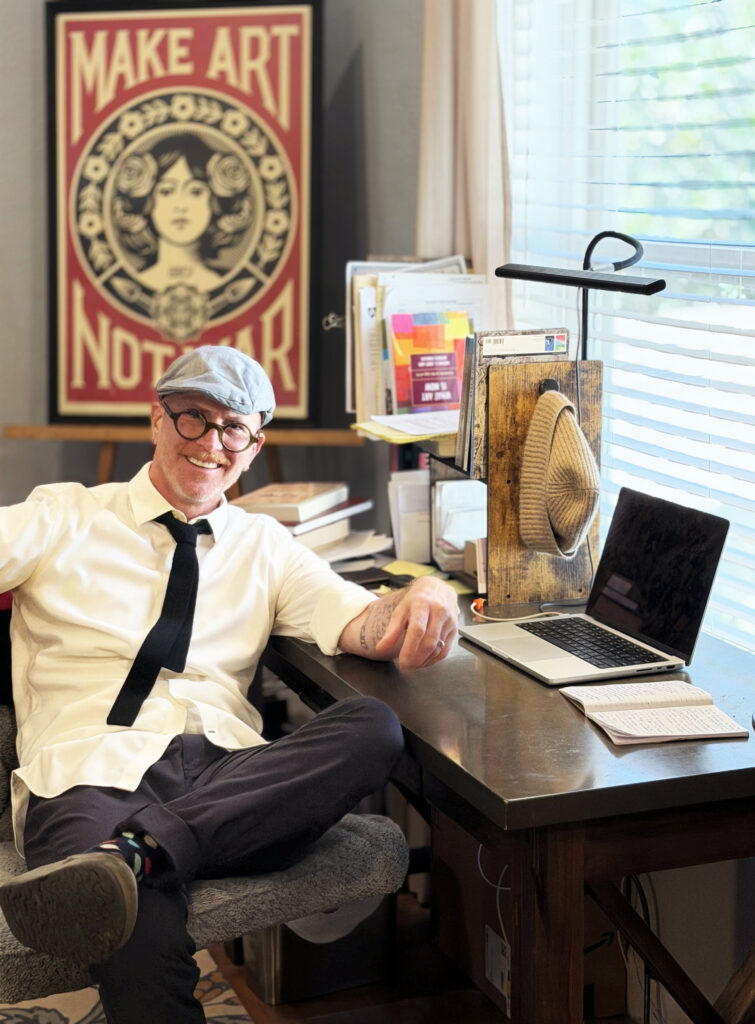
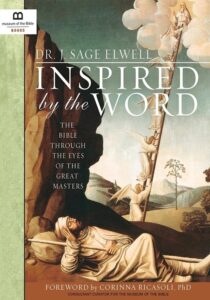
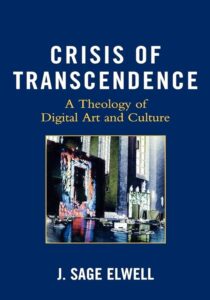
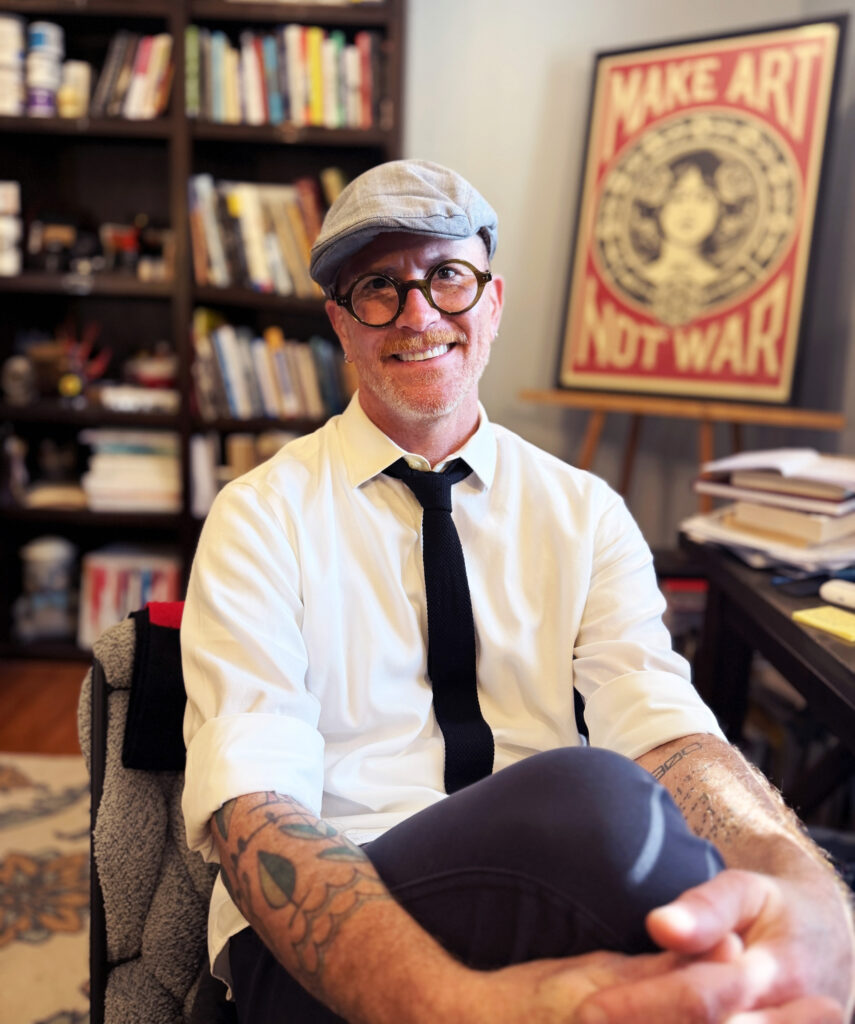
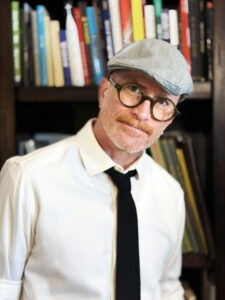
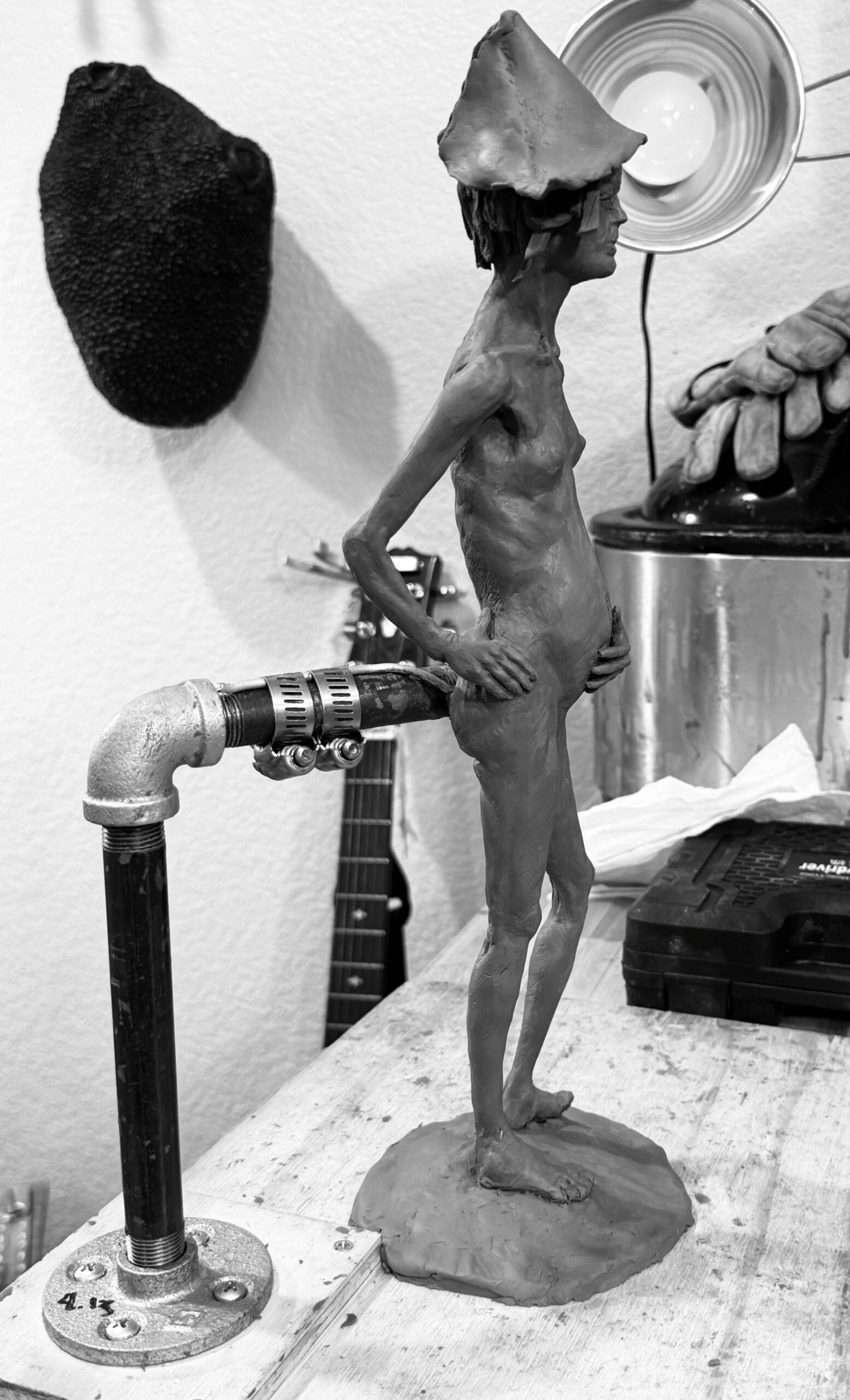
I am Professor of Religion and Art at TCU, a sculptor with an active studio practice, and the author of three books and numerous academic and popular essays on digital culture, artificial intelligence, embodiment, and contemporary art. My writing explores what it means to be human in an age of machines.
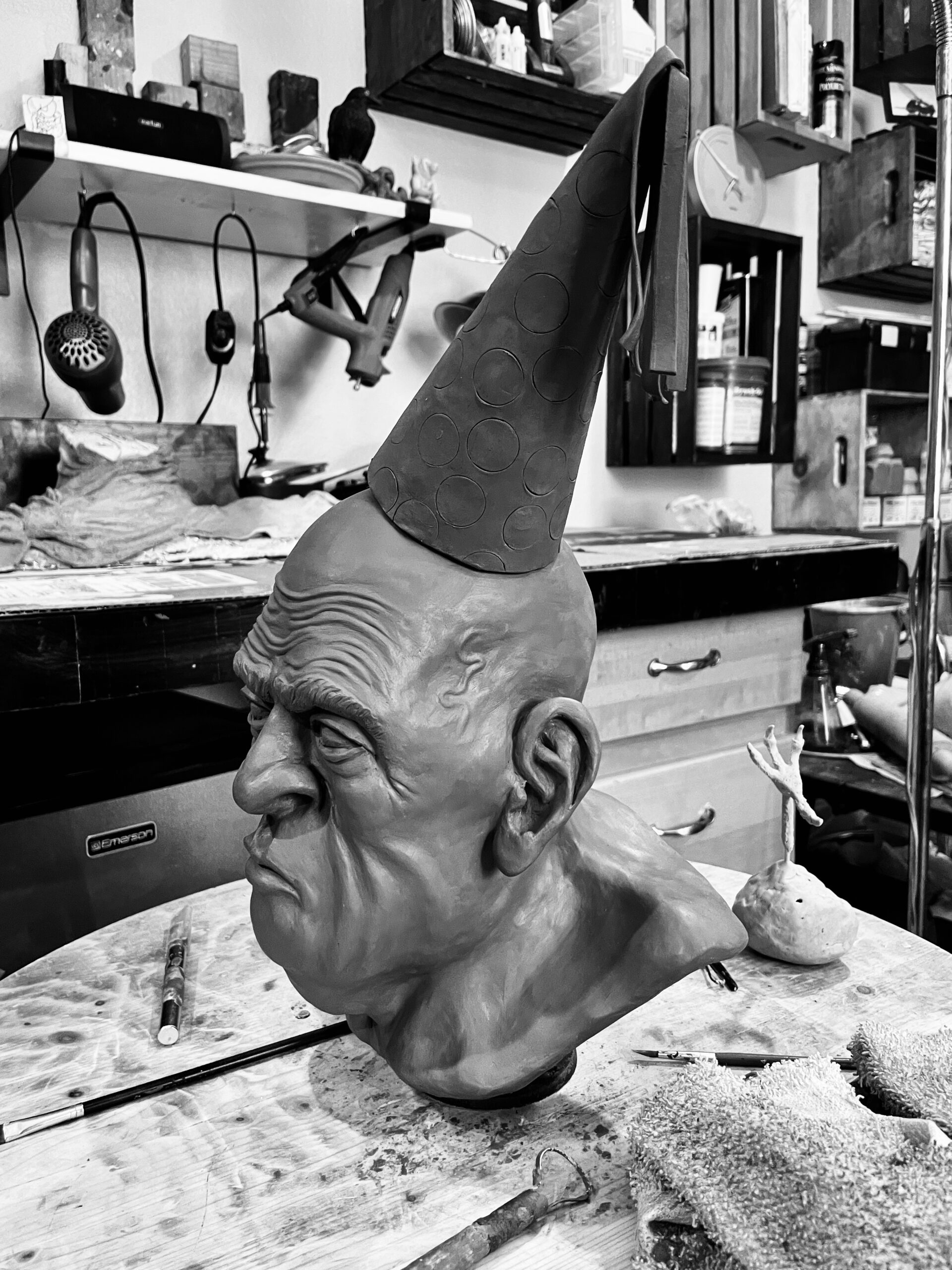
My writing explores what it means to be human in an age of machines. Drawing from theology, philosophy, and the forge, I write about embodiment, imperfection, and the sacred strangeness of being alive. Whether in essays or books, my work wrestles with the tension between flesh and code, beauty and ruin, creation and collapse. Each piece is an act of resistance against optimization and a defense of the messy, the mortal, & the made.
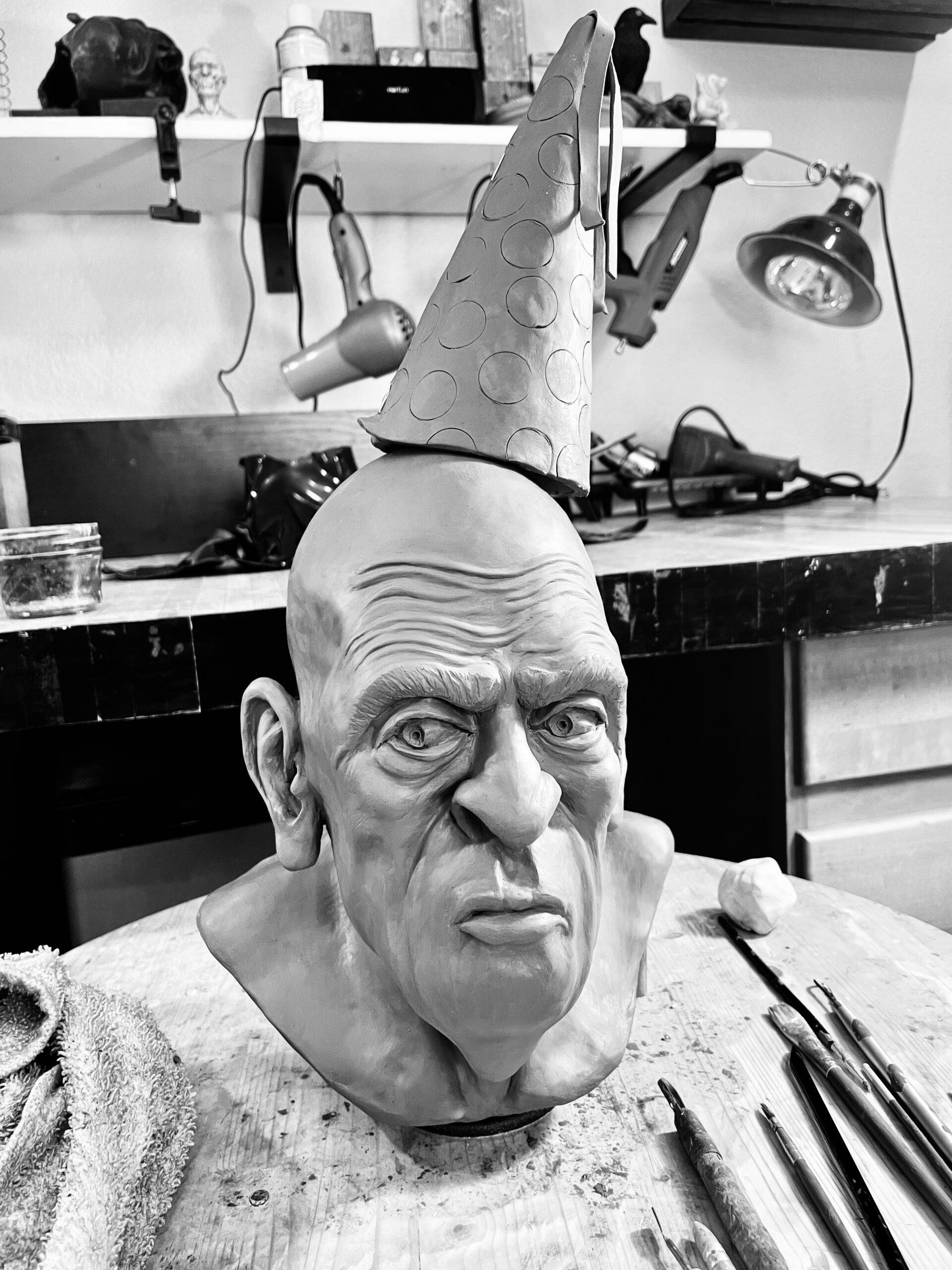
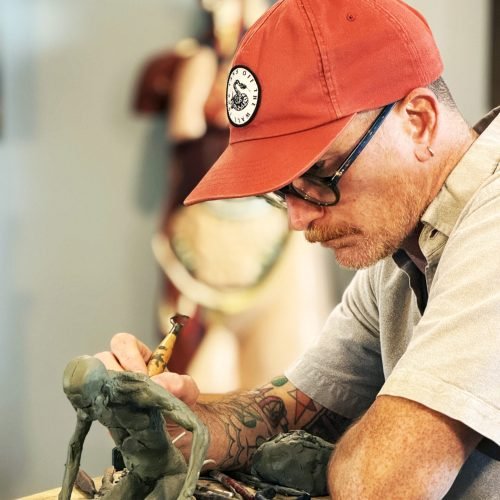
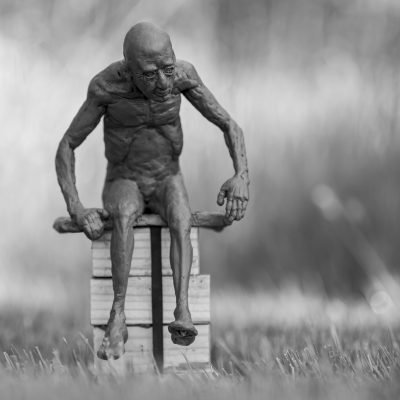
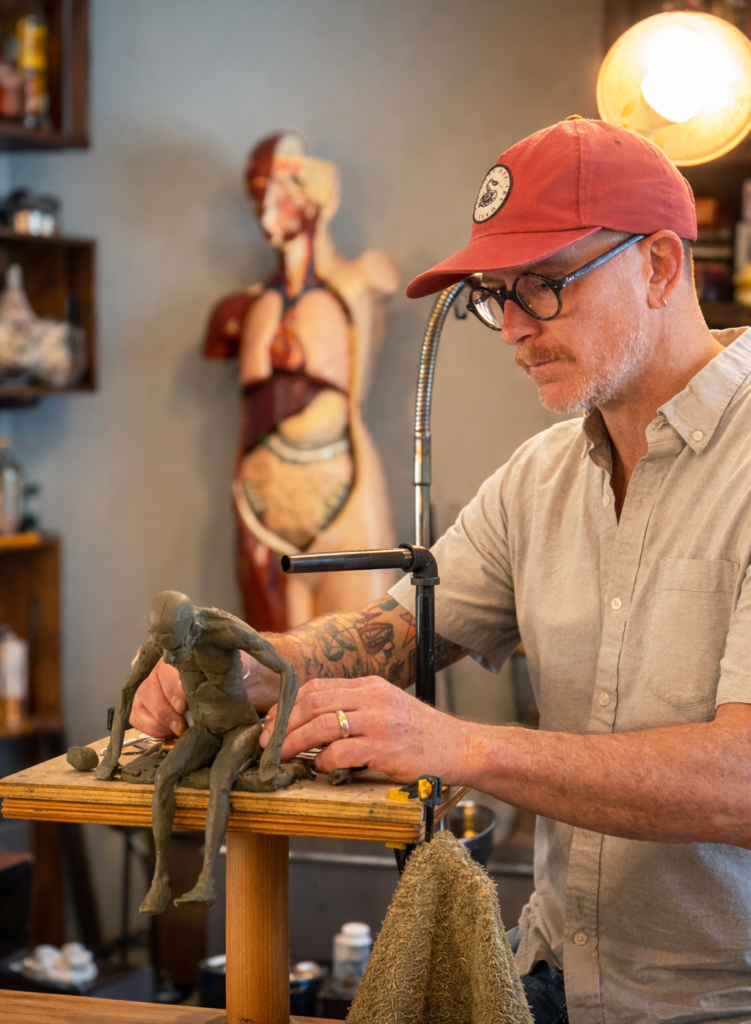
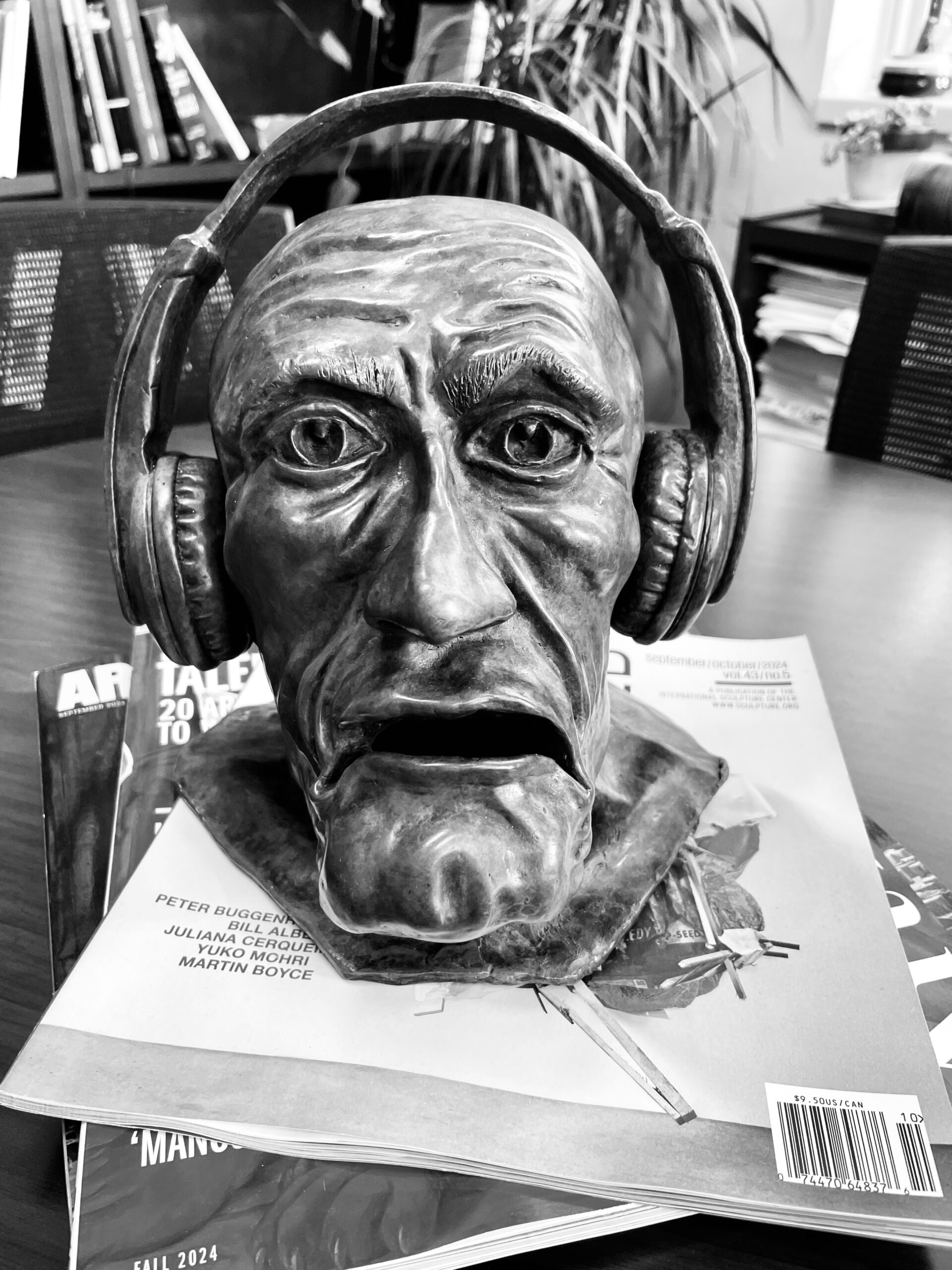
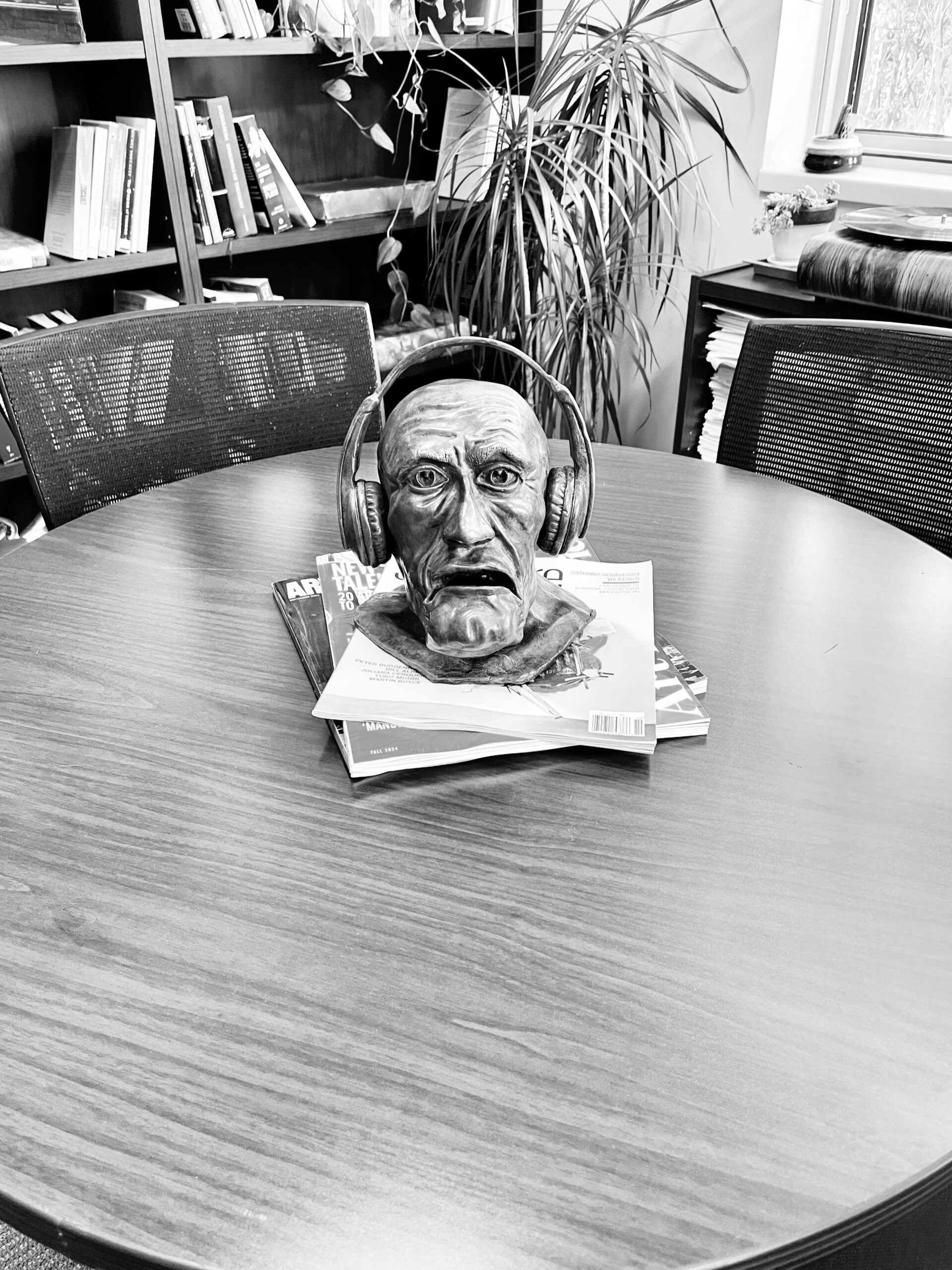
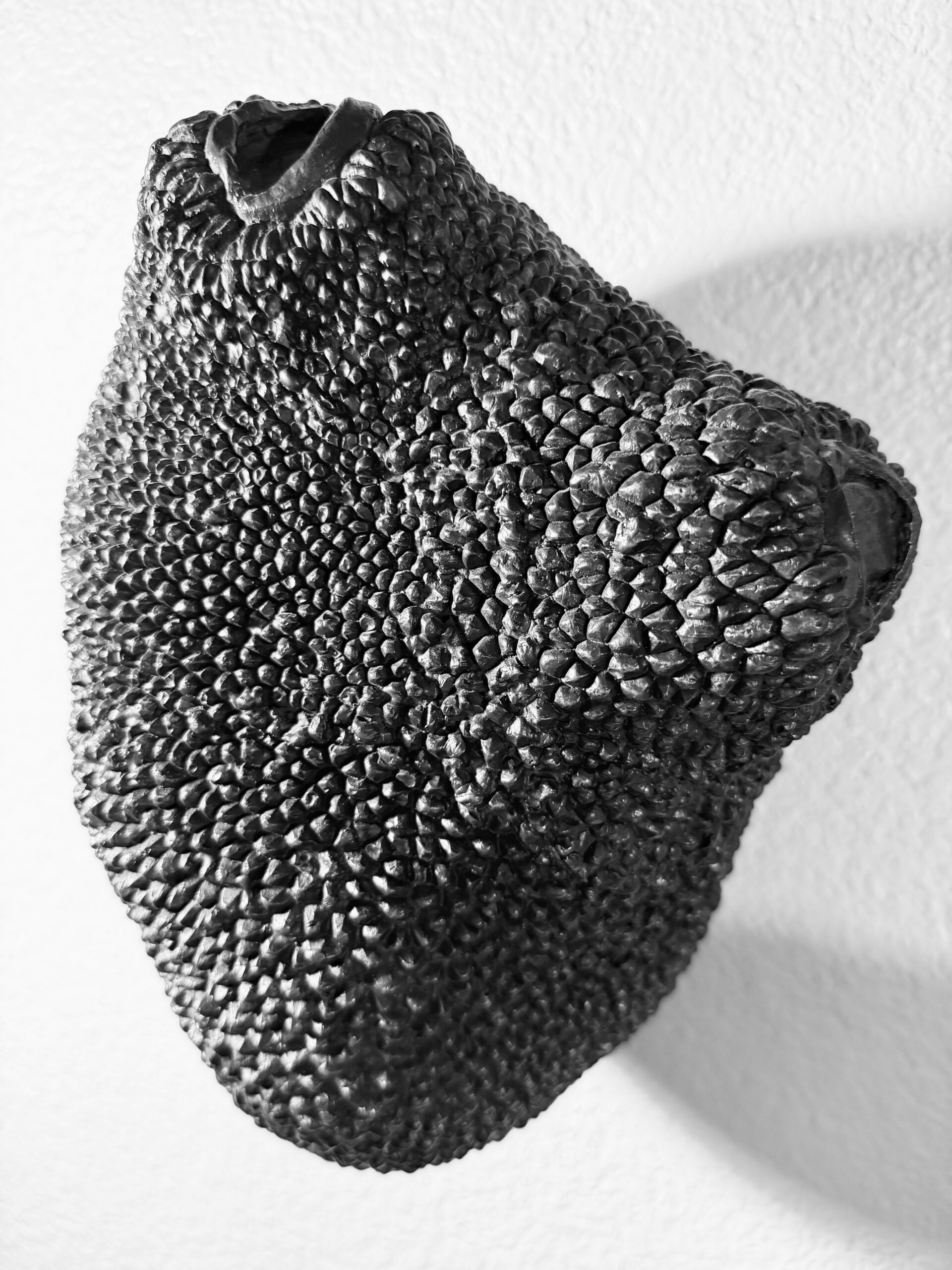
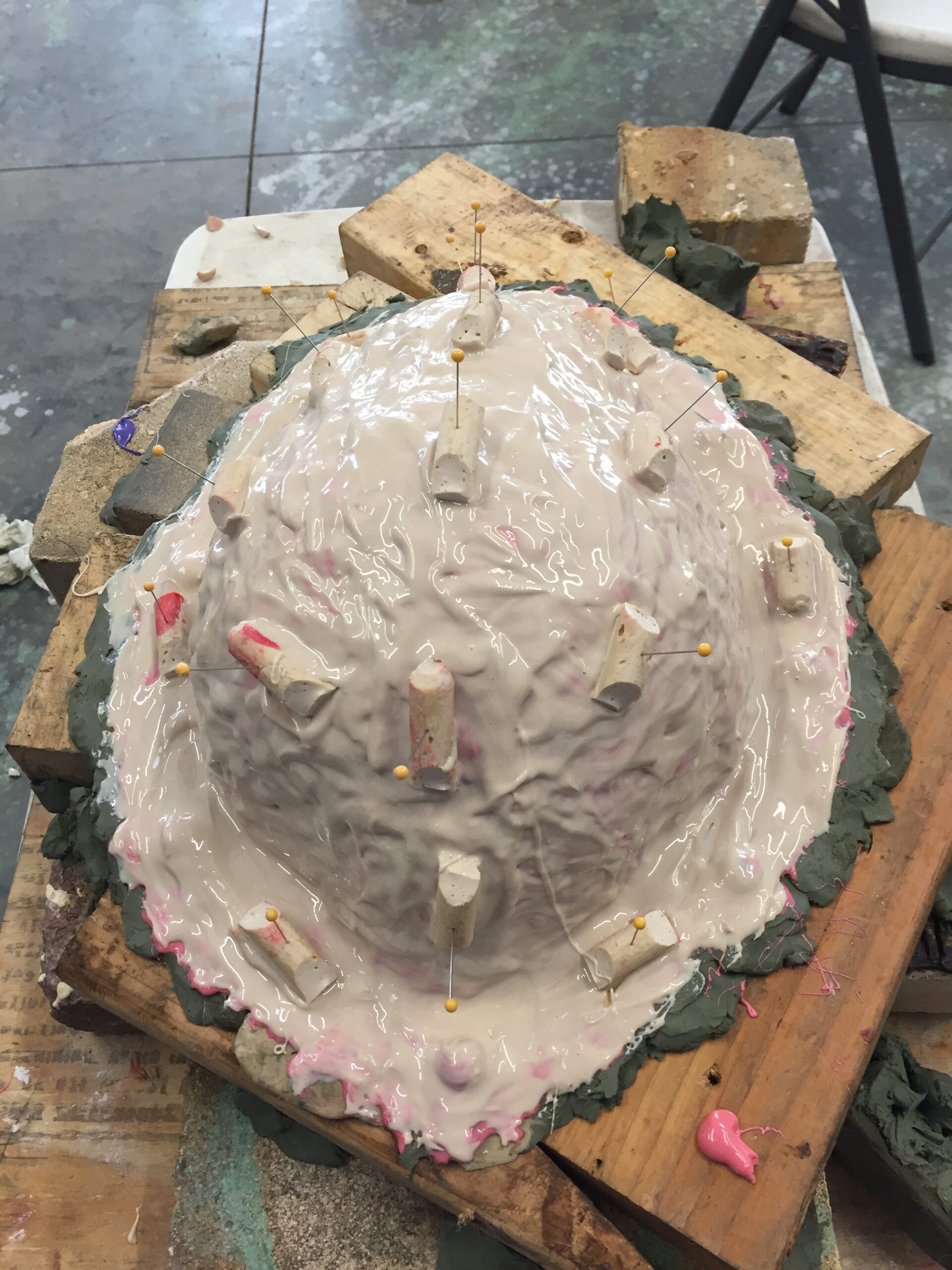
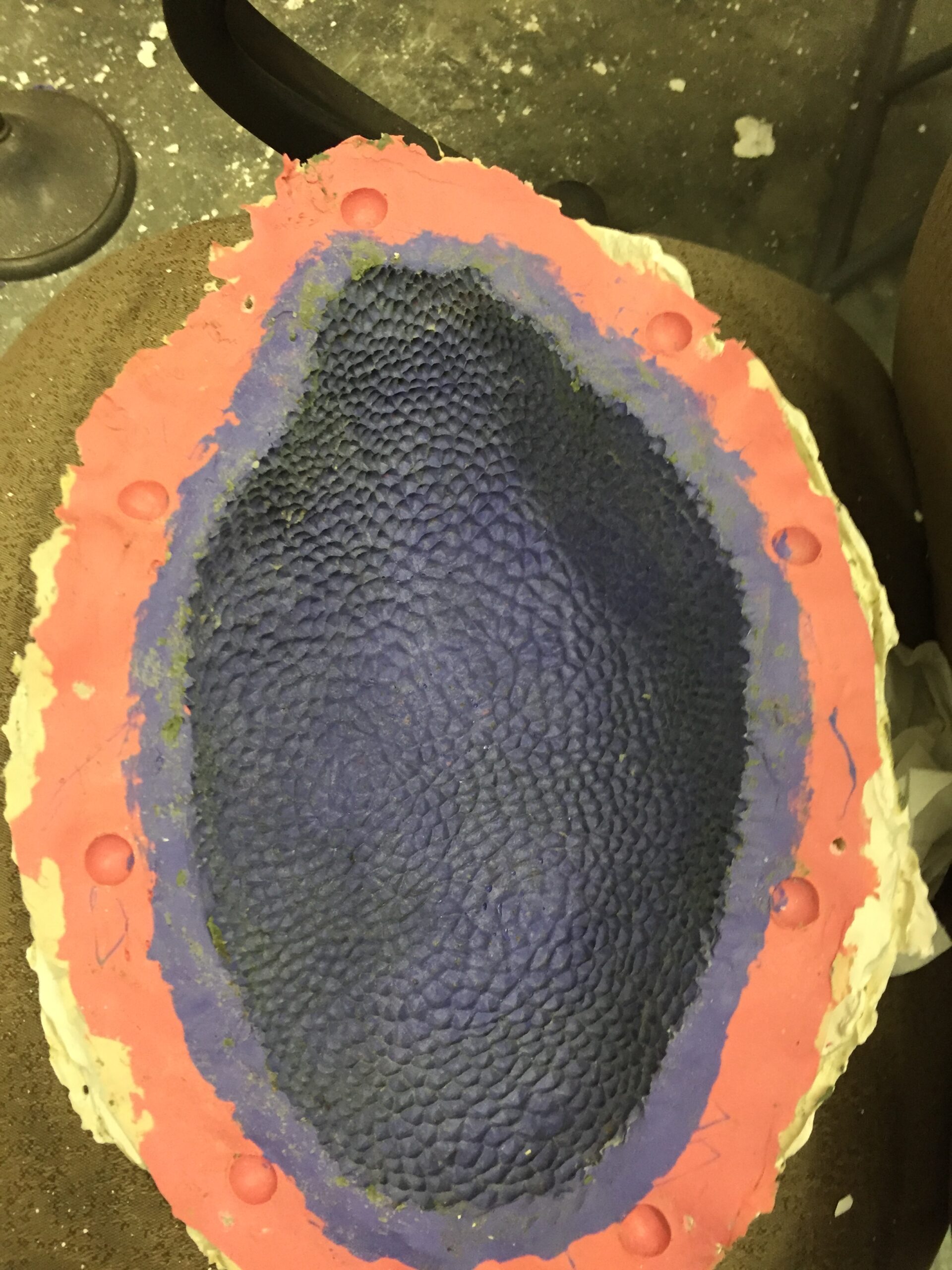
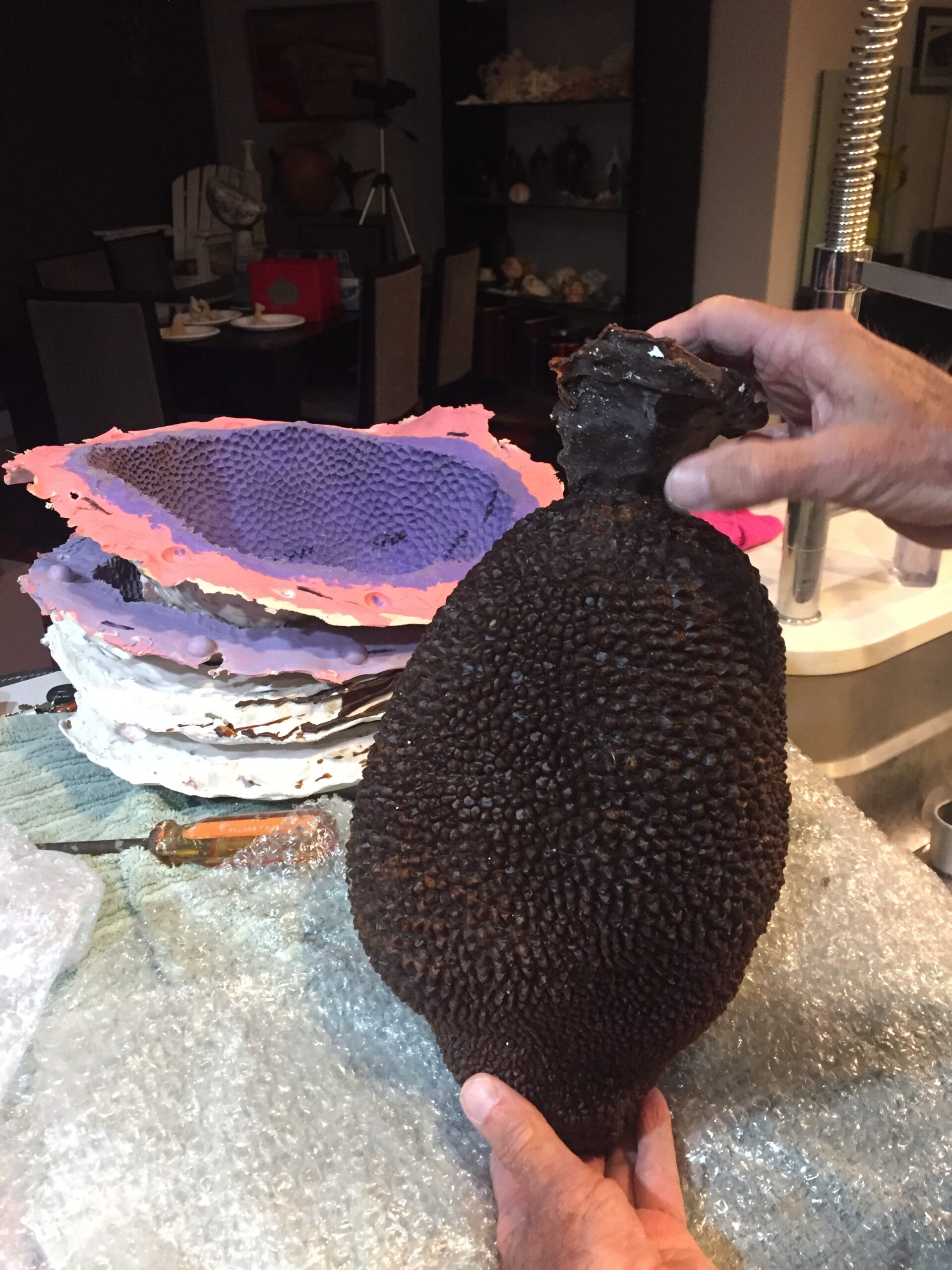
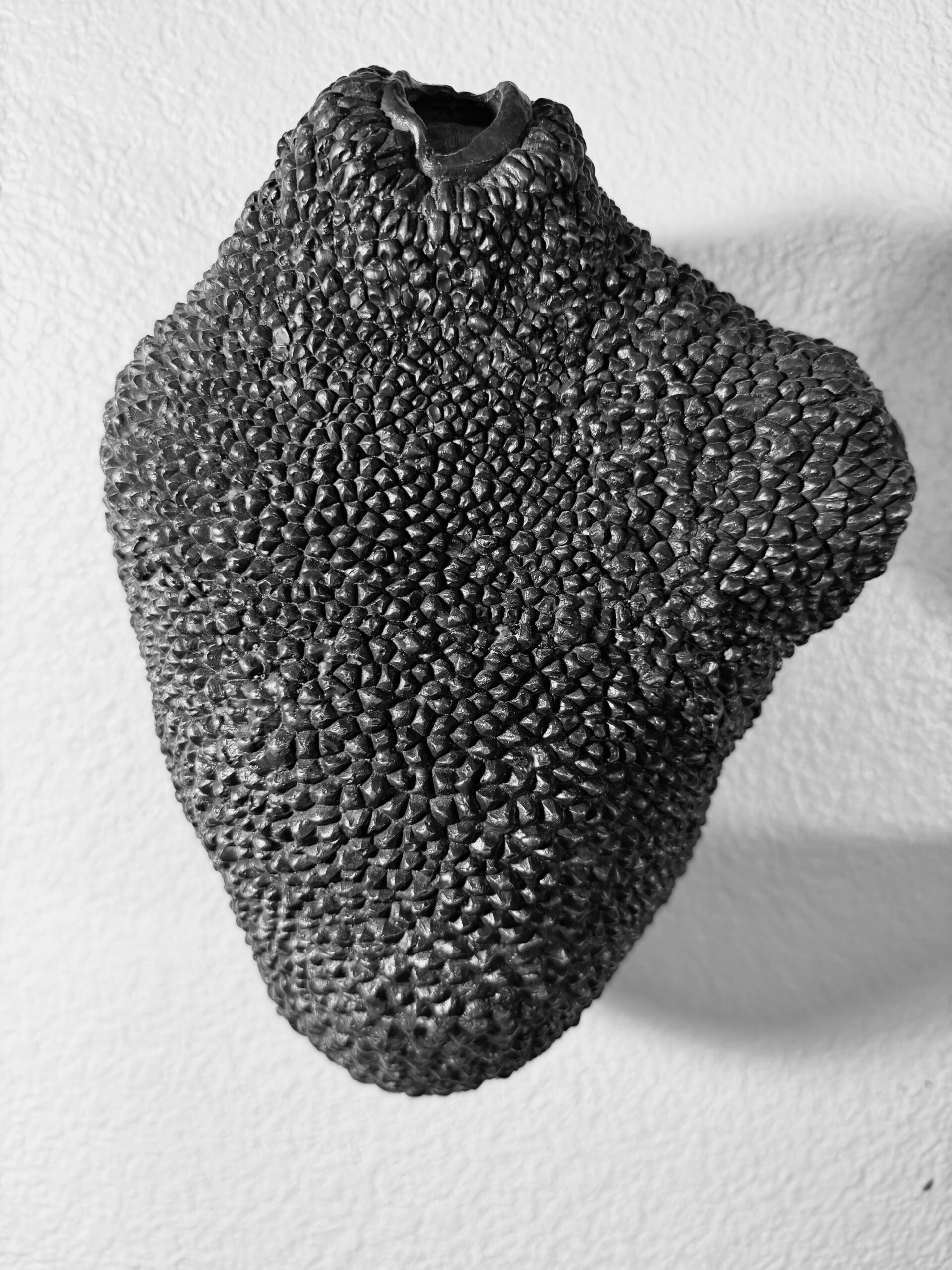
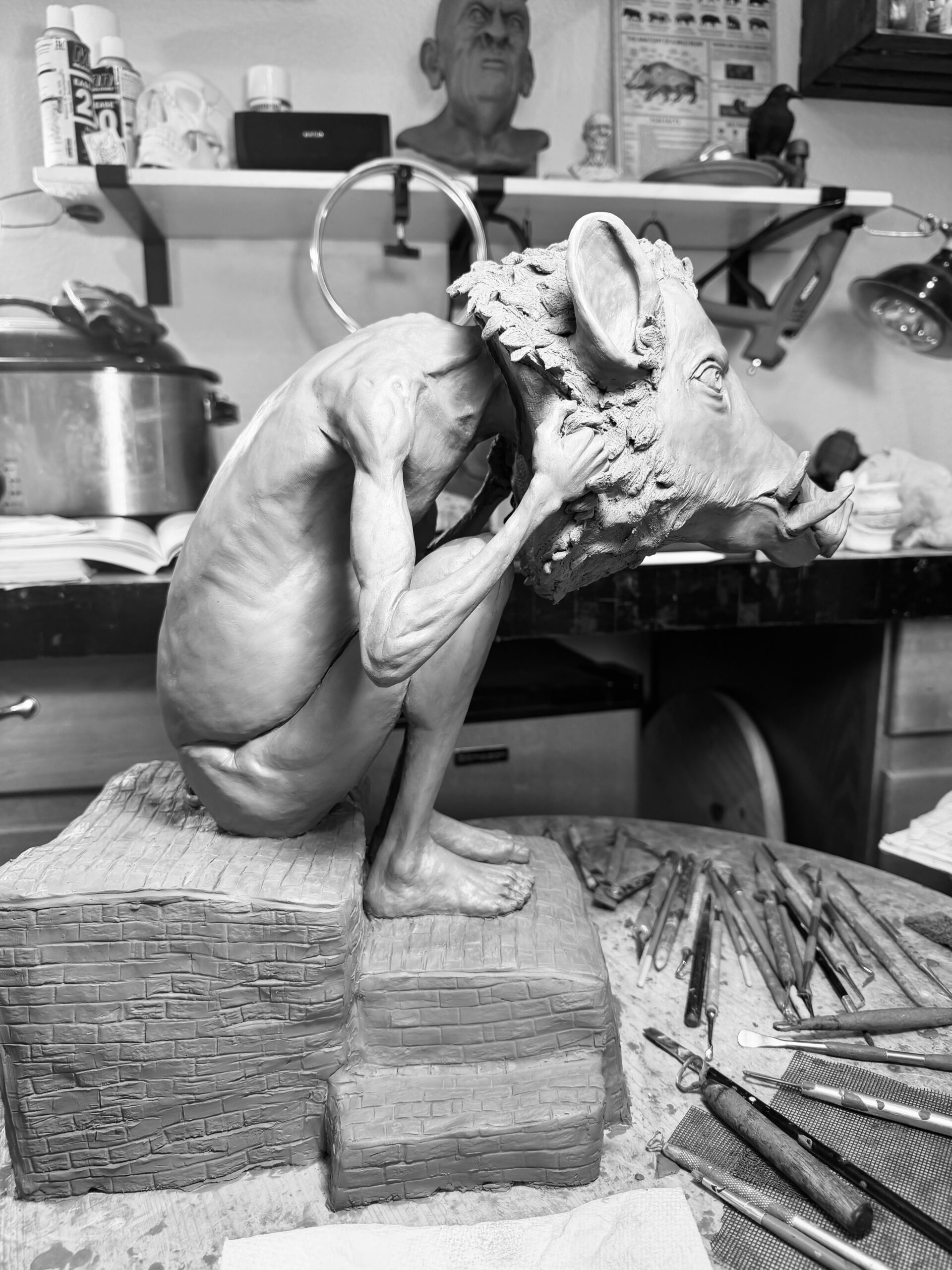
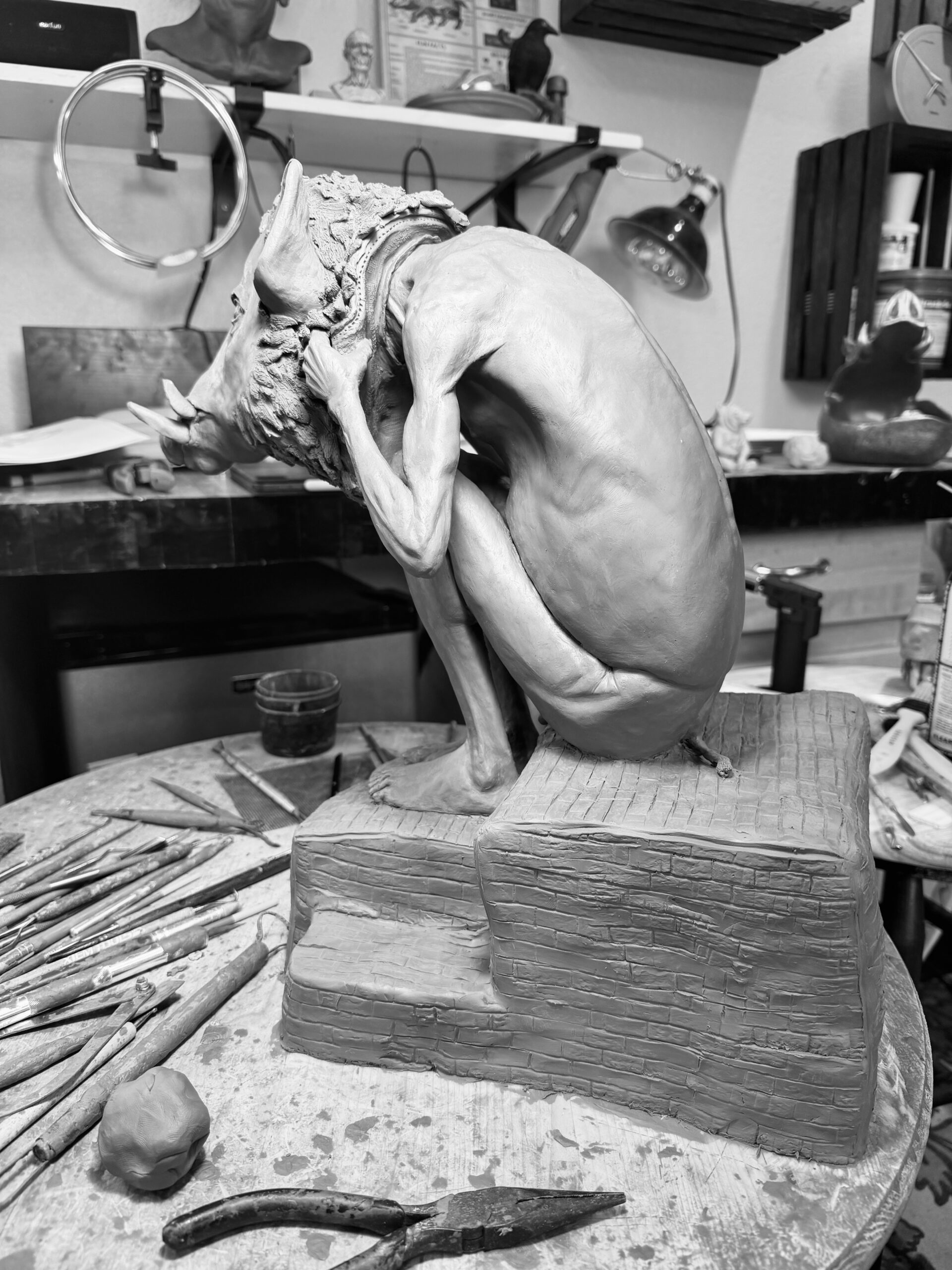
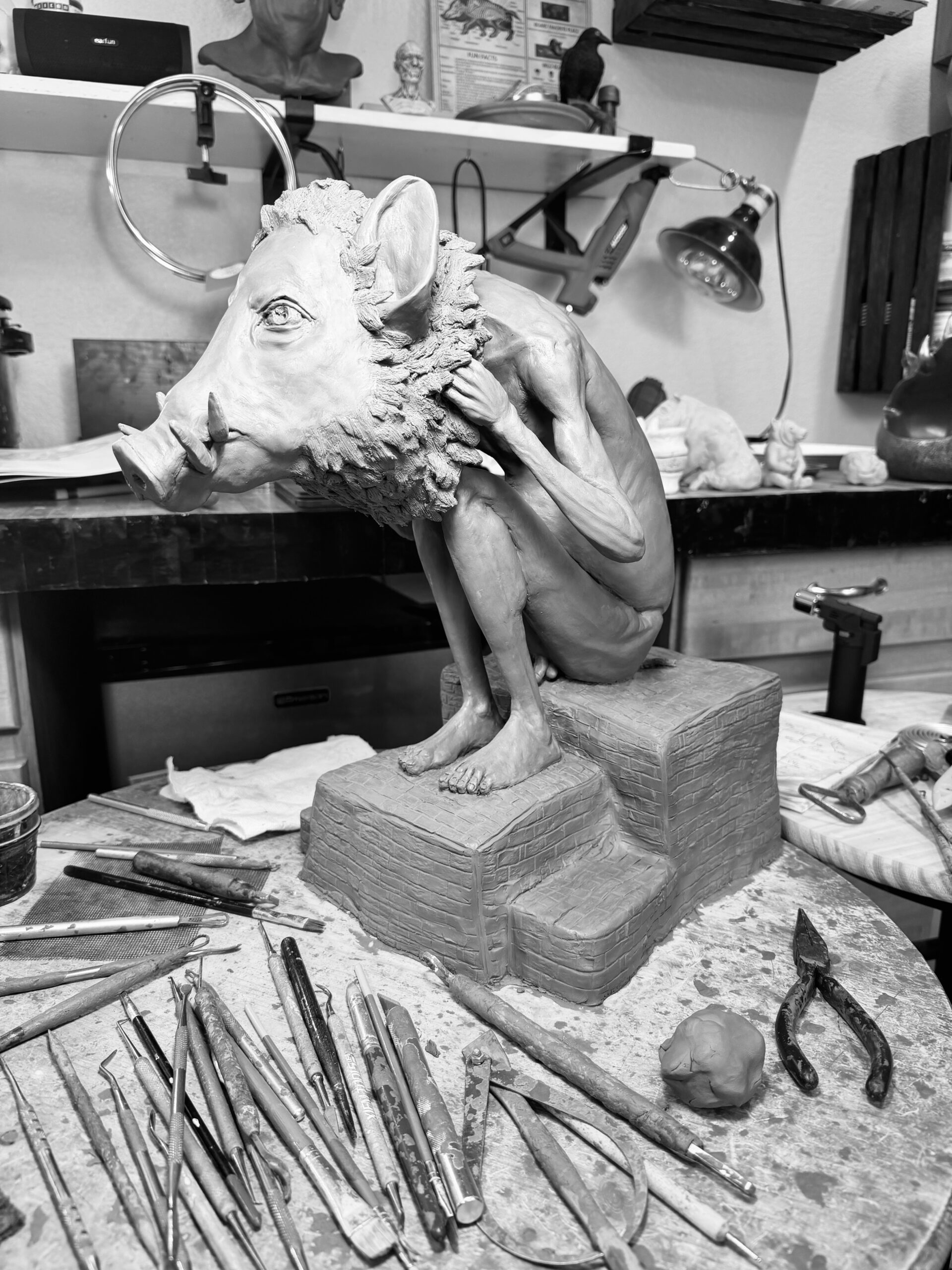
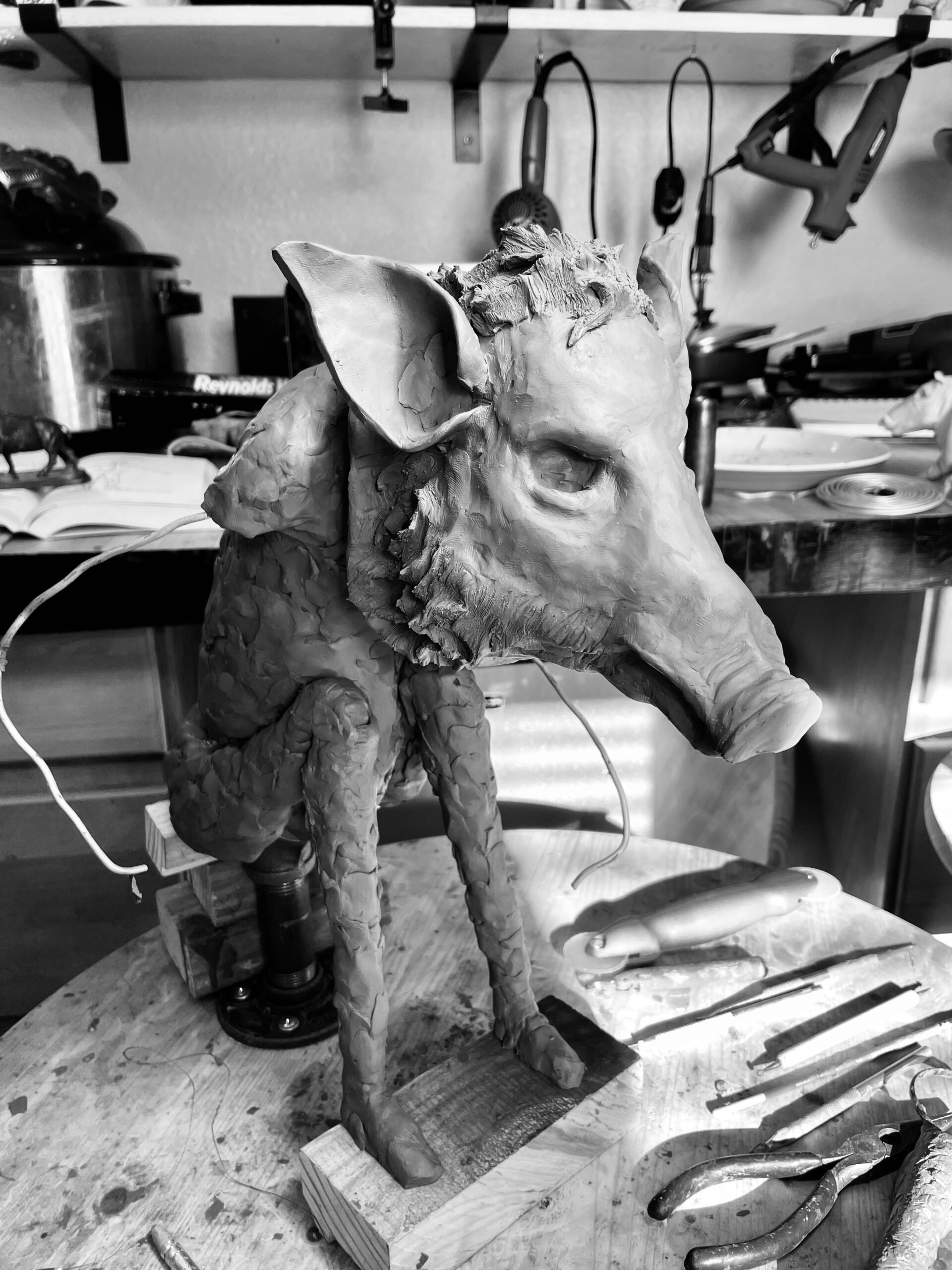
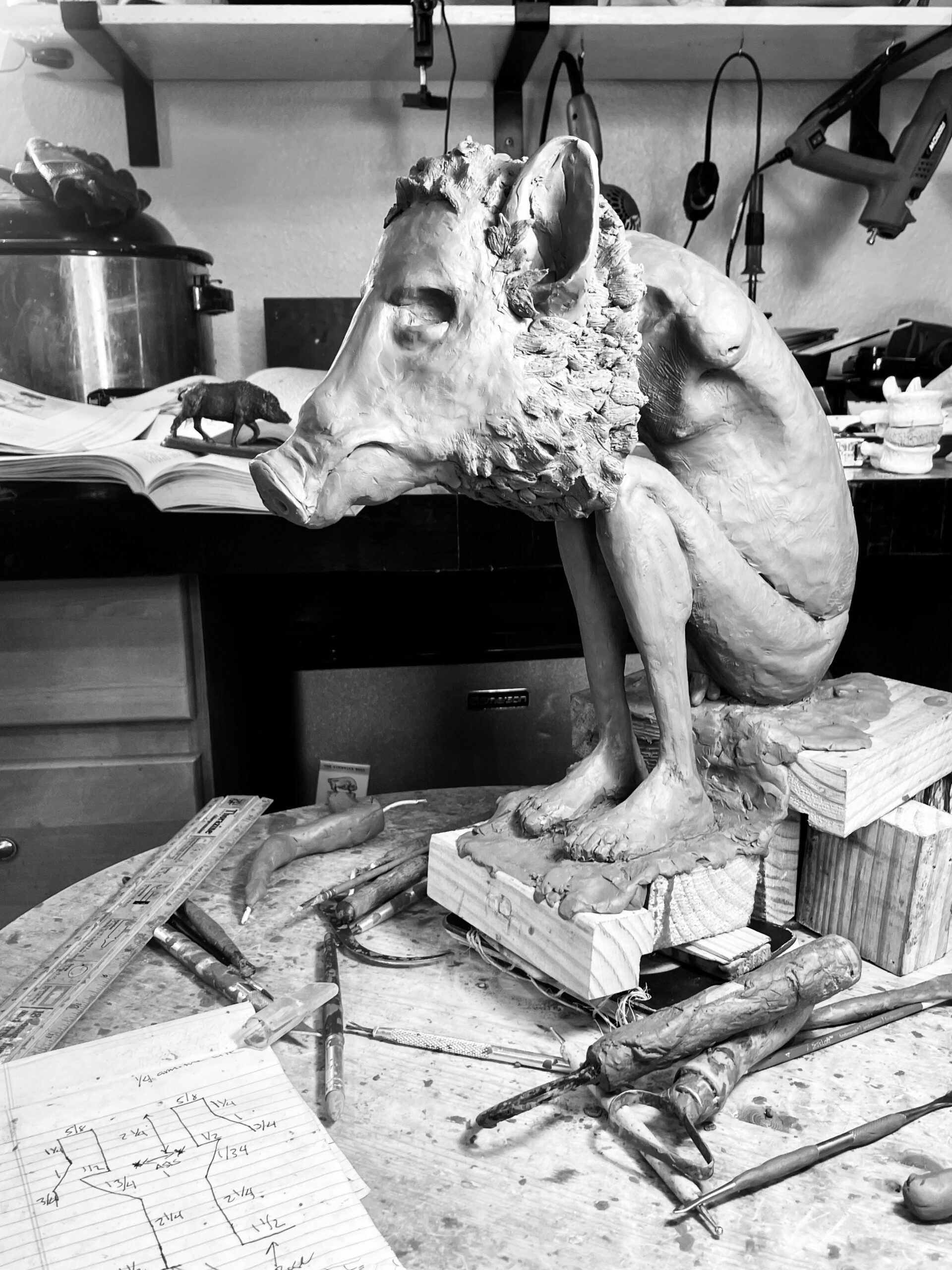
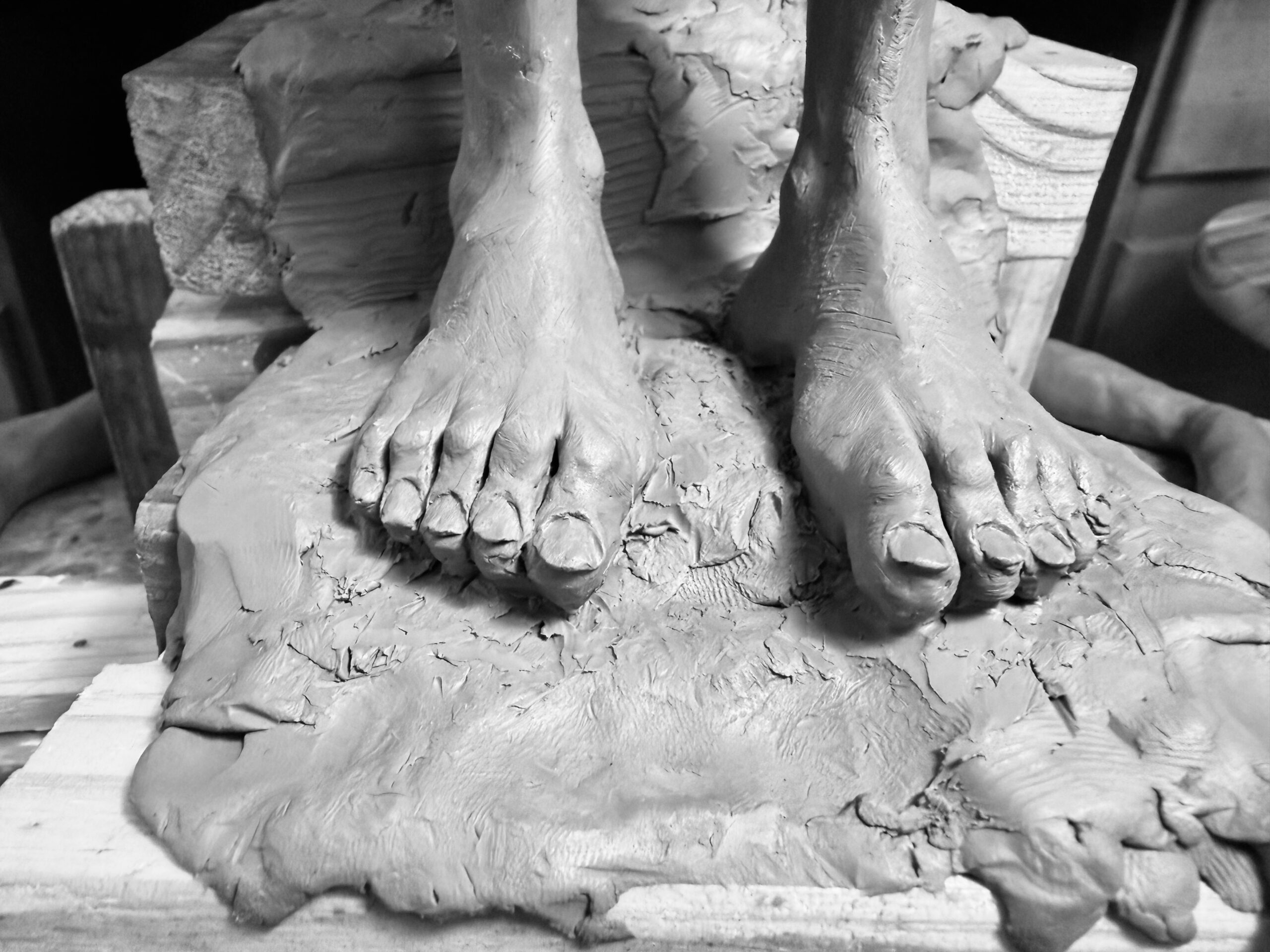
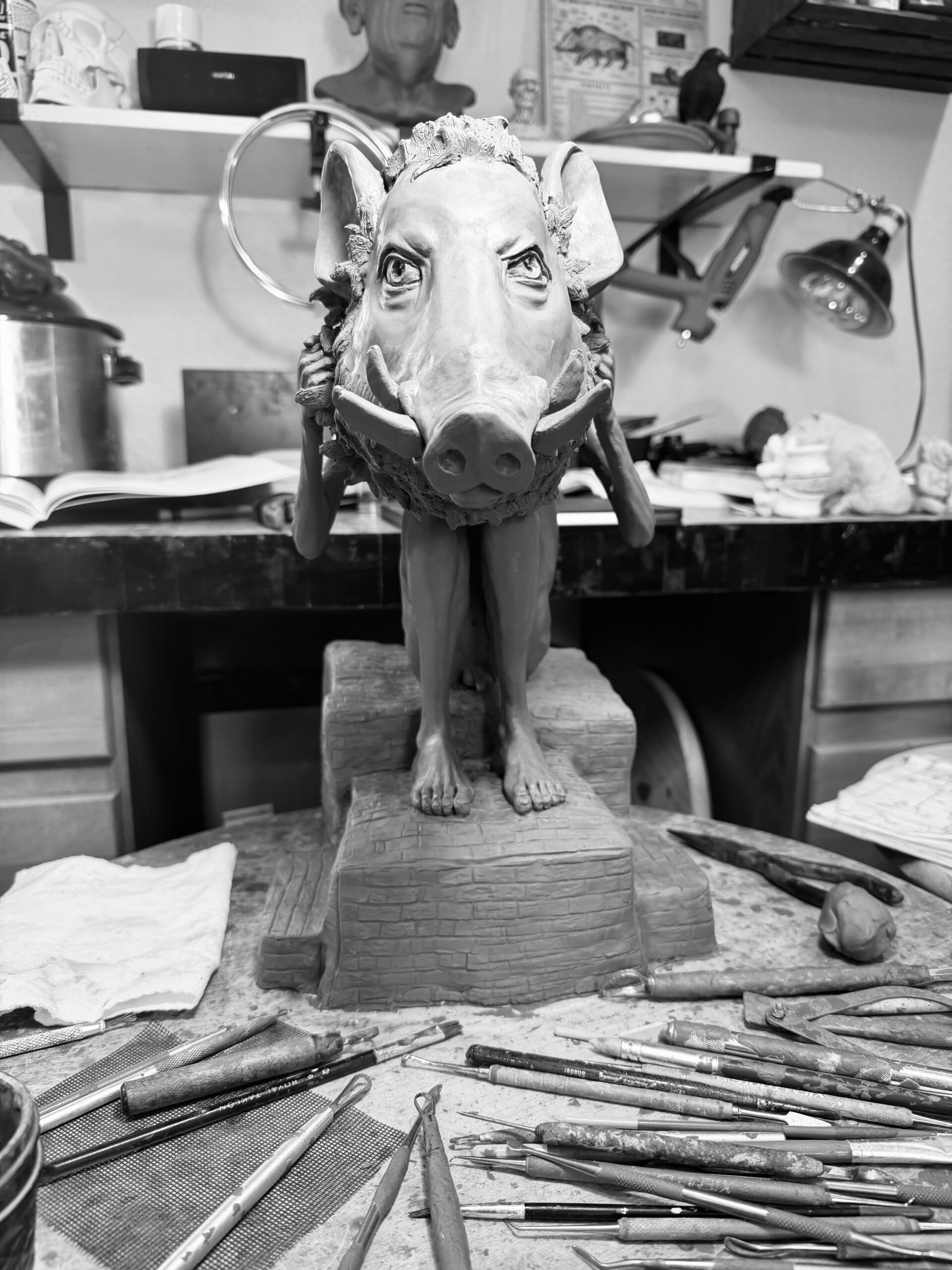
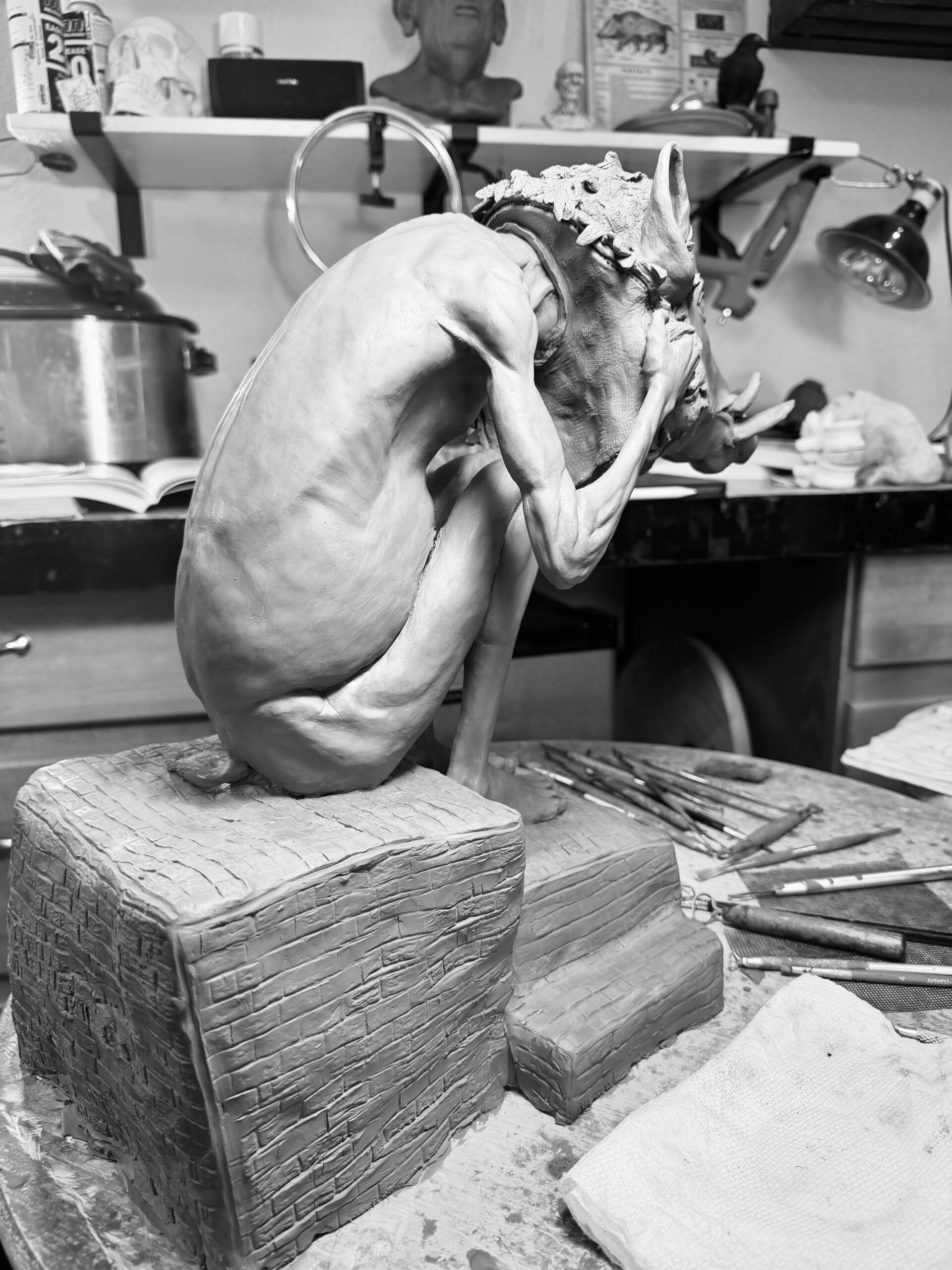
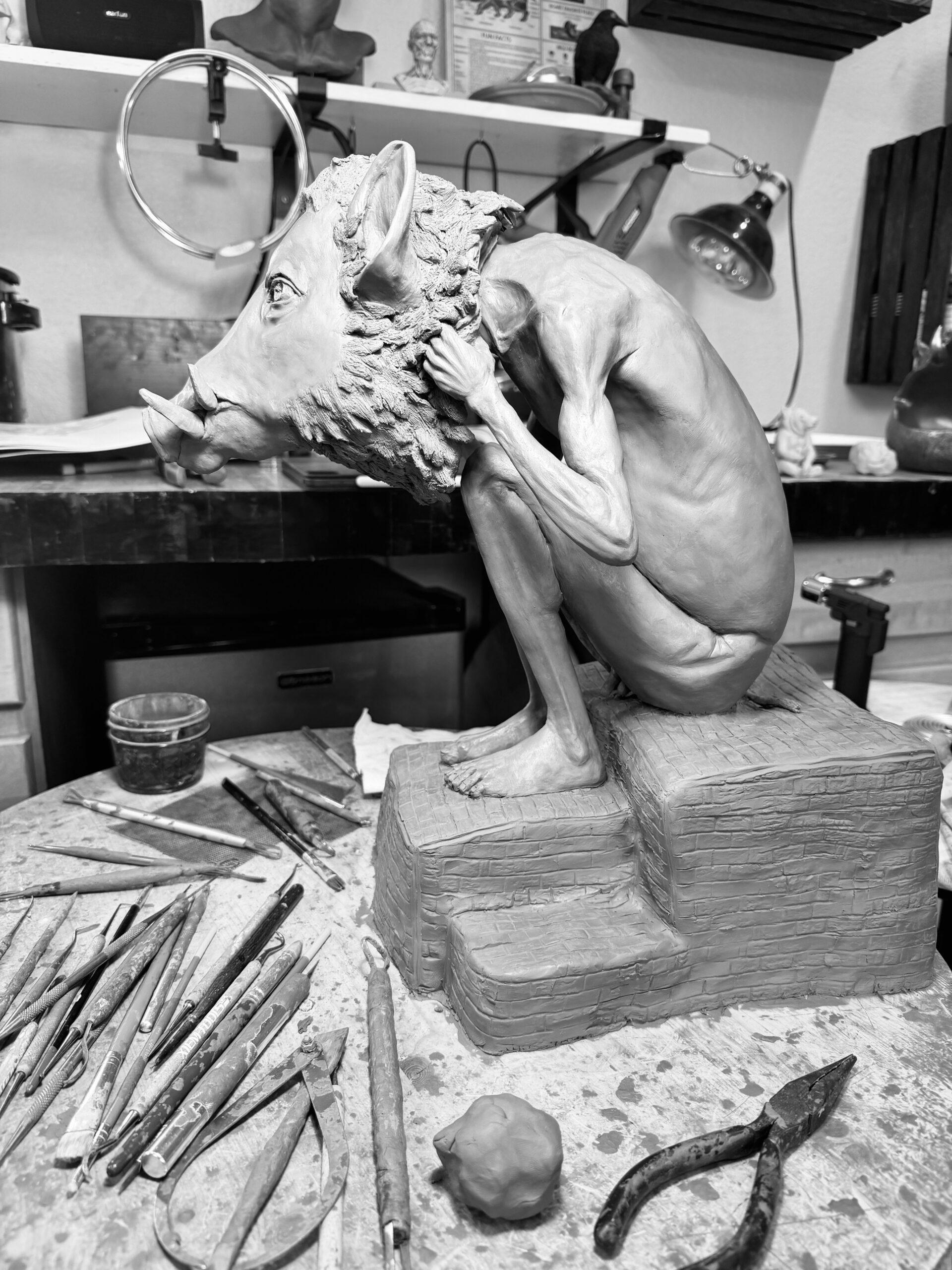
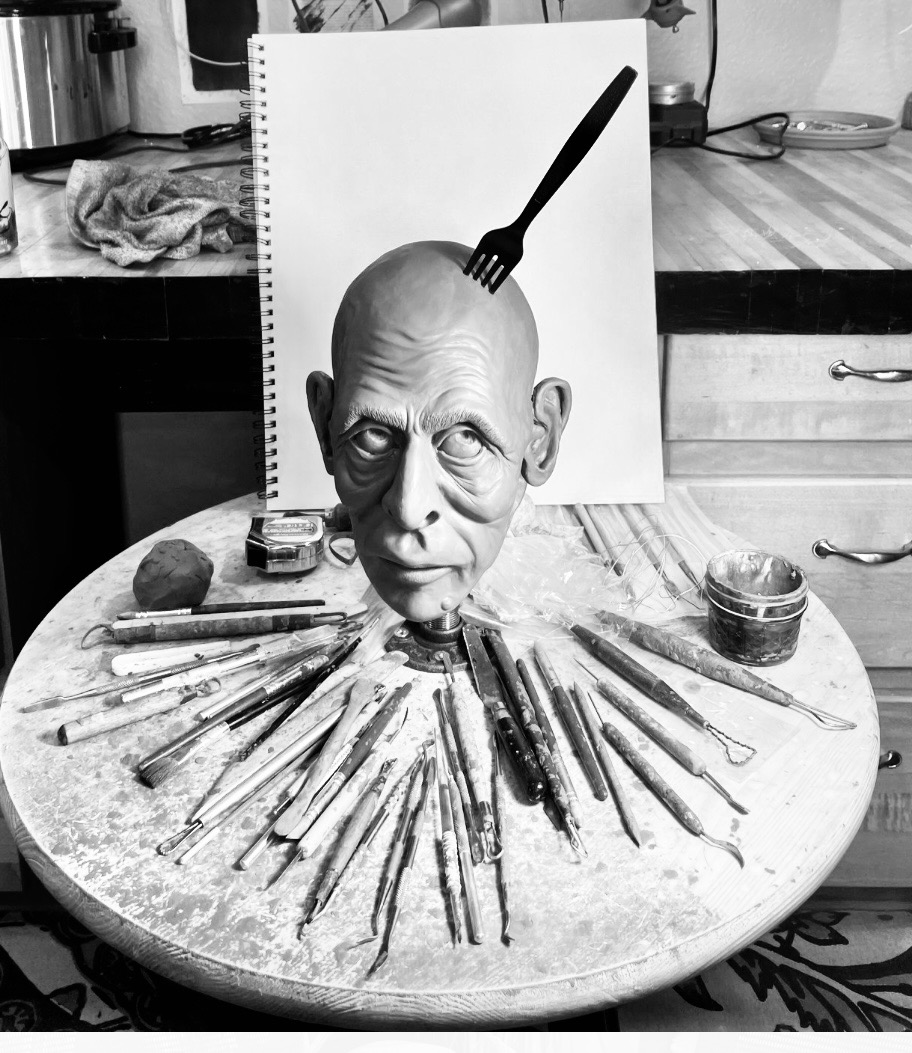
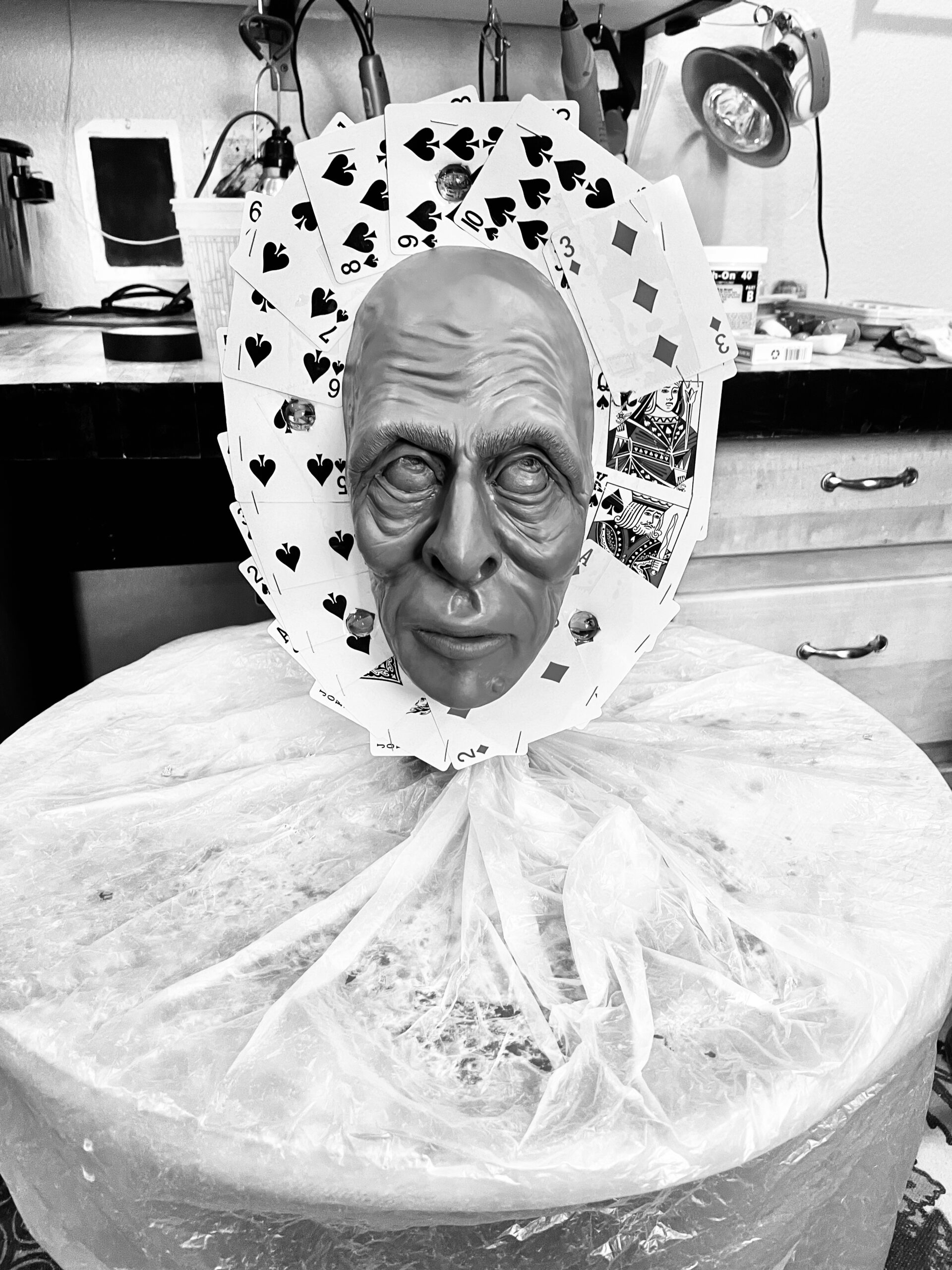
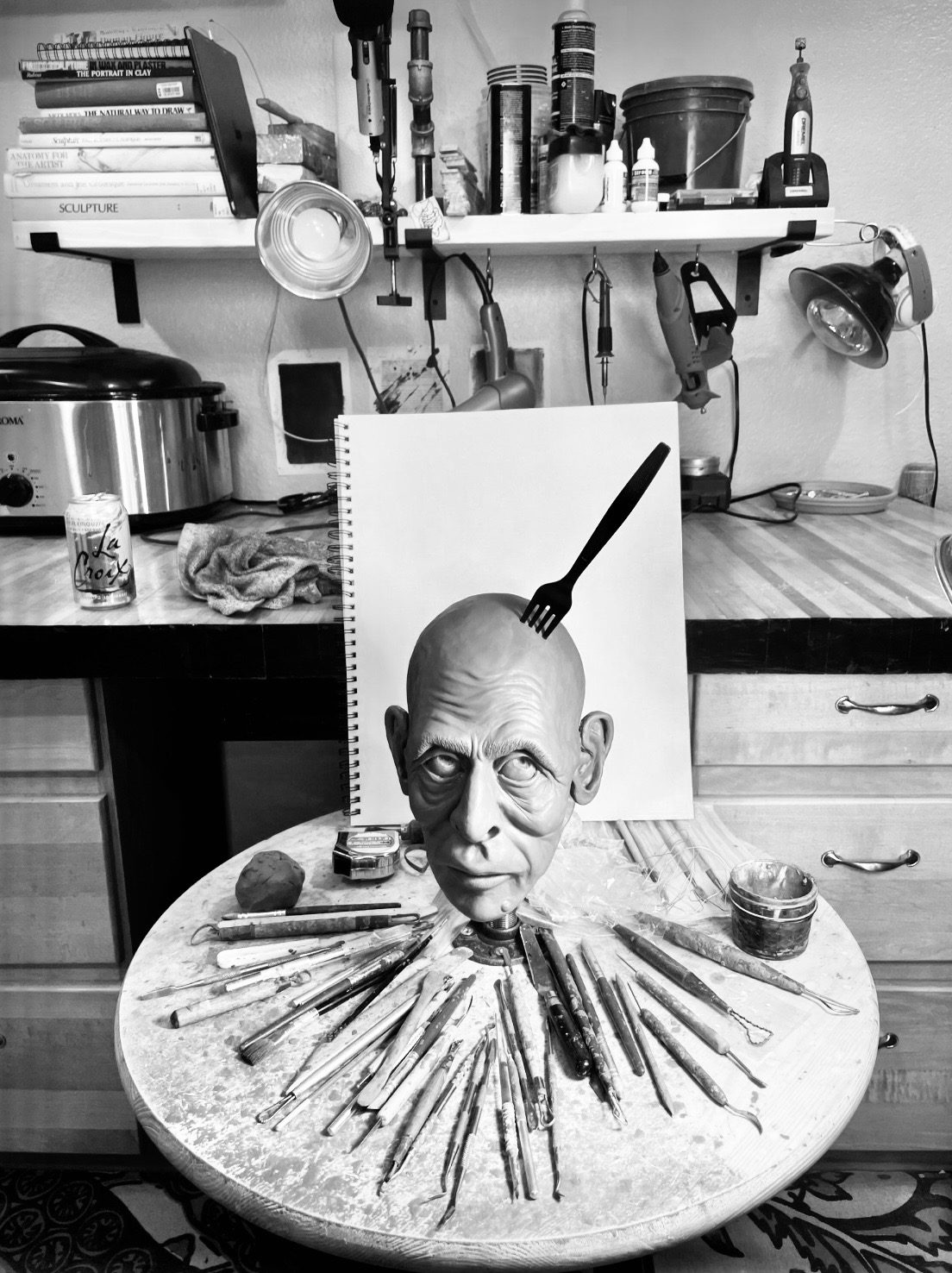
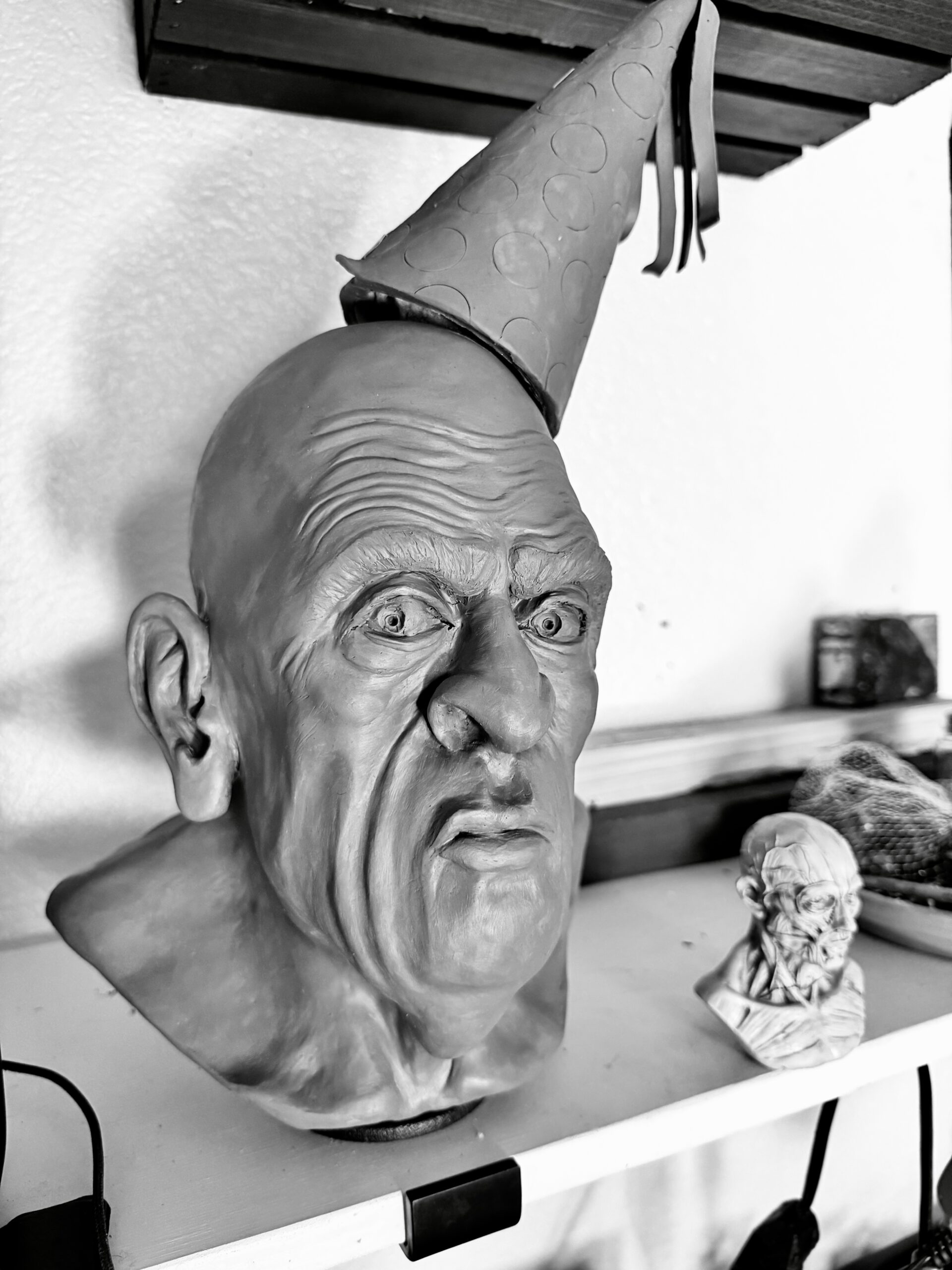
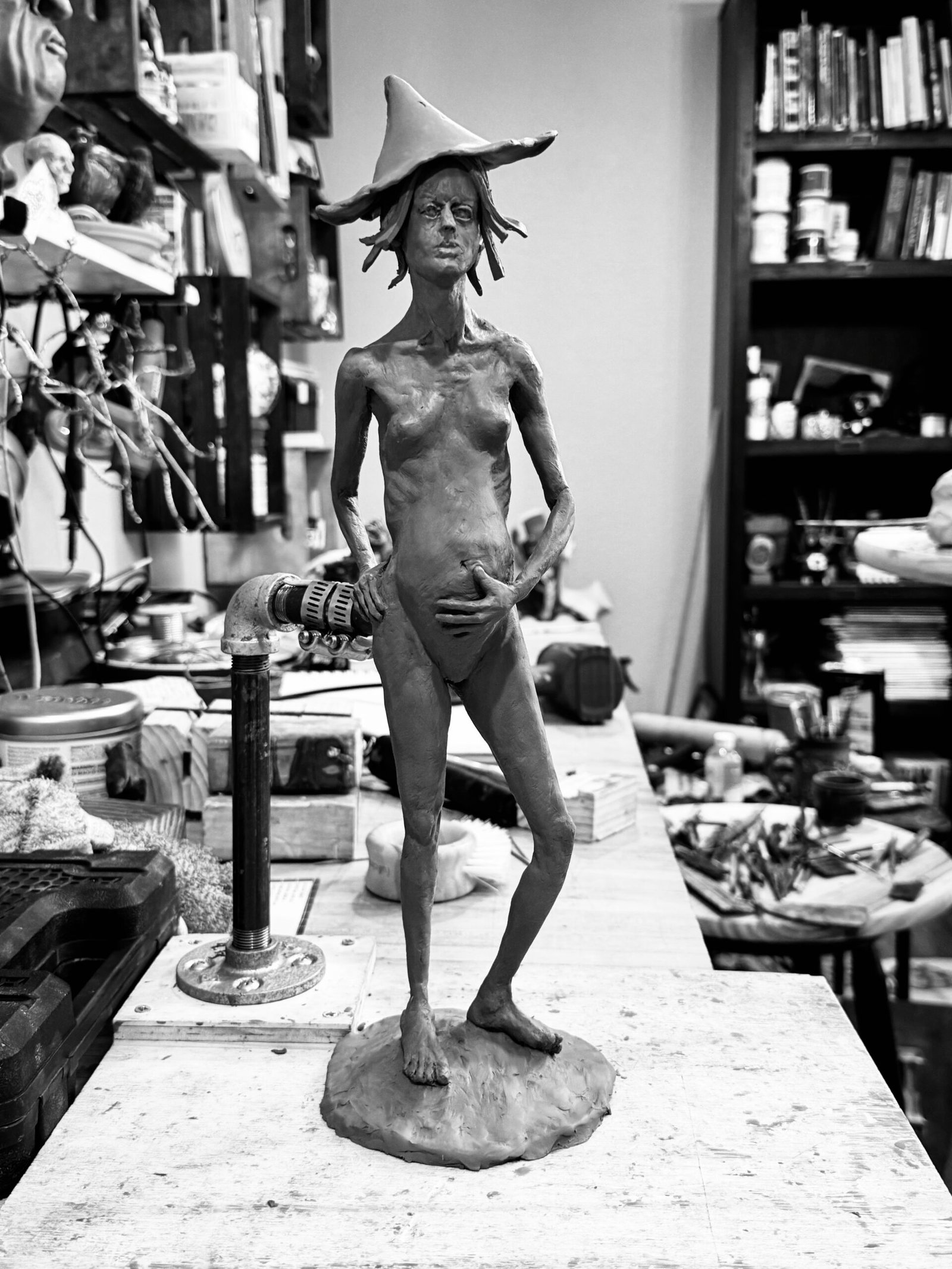
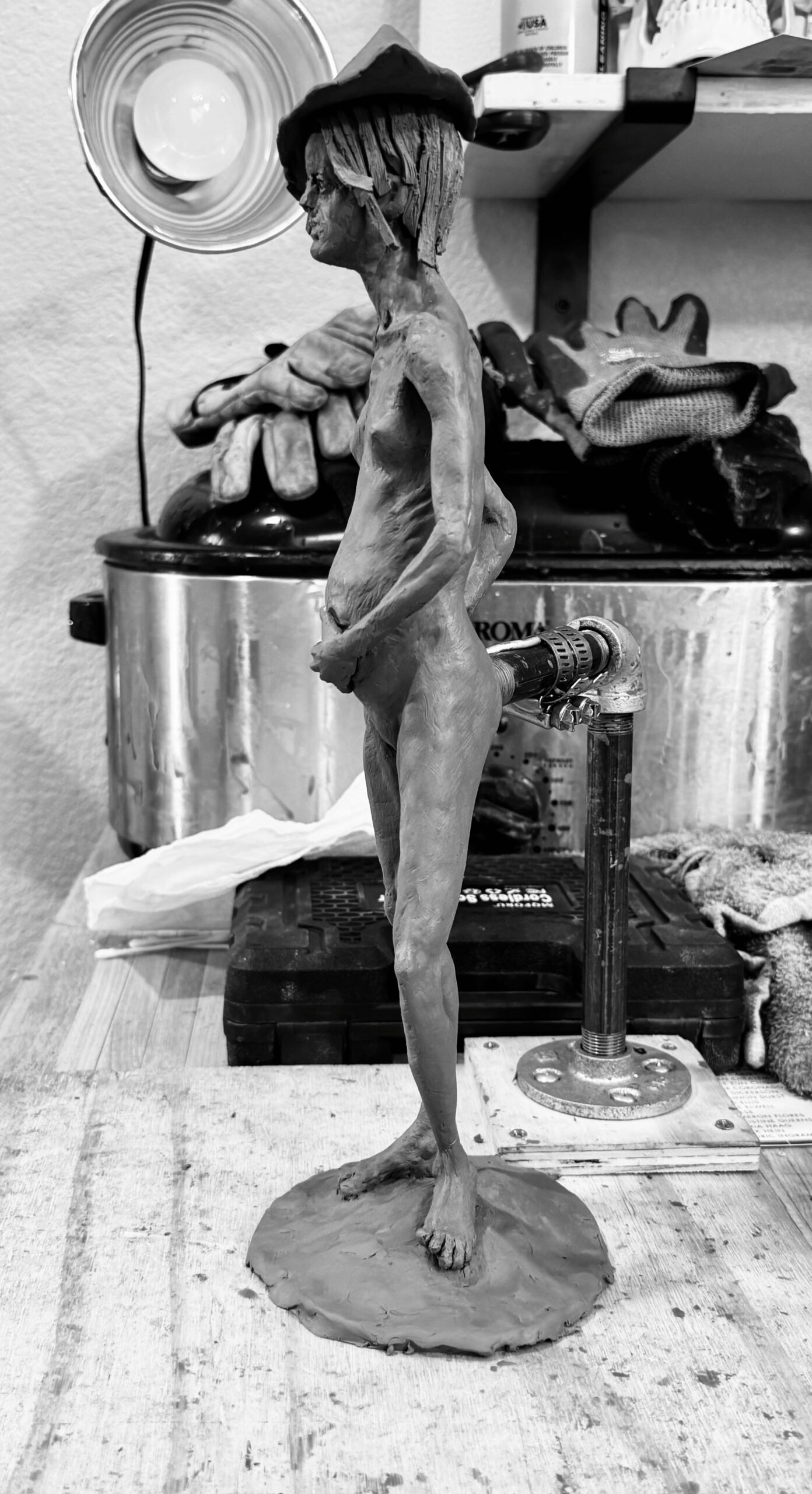
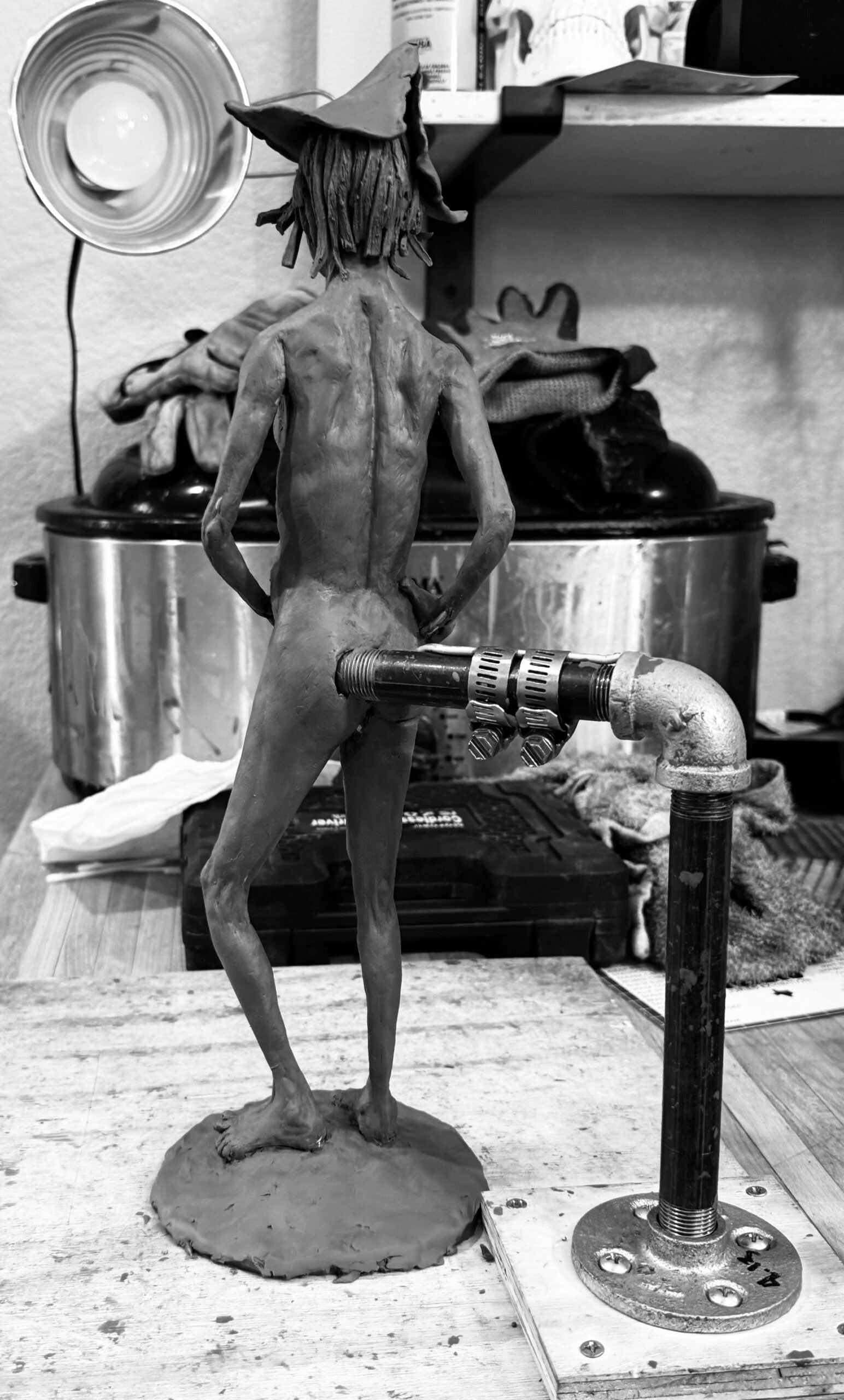
My sculptures emerge from the old alchemy of bronze, fire, and failure. Rooted at the intersection of the human and the sacred, they explore the body as both broken and luminous -something perpetually made and unmade. I work with forms that carry the marks of labor & loss, surfaces that remember touch. Each piece is a reminder of what remains tangible and tender in a digital world.
A Professor of Religion and Art at TCU, I teach at the intersection of art, religion, and innovation, where the deepest questions of meaning and making live. My classrooms are studios of thought – spaces where students wrestle with what it means to be embodied, creative, and alive amidst the digital sublime. I want students to think with their hands, to see ideas as material, and to risk making something that might fail beautifully. Together we explore how spirit, imagination, and craft might resist the flattening pressures of efficiency and optimization.
Boar & Thistle is the creative studio and imprint of Sage Elwell – artist, author, and professor – dedicated to the unruly, the visceral, and beautifully broken.
Here, art and words meet on their own terms: weighty, imperfect, and alive. The work grows from a lifelong engagement with the body in all its forms: its birth and decay, its hungers and desires, its resilience and its breaking points. Every piece, whether cast in metal or language, is a testament to process over product.
The boar is fierce persistence, rooted in the earth and unwilling to be tamed. The thistle, stubborn and sharp, blooms in the margins where least expected. Together, they hold a space for work that resists the polished and the disposable, honoring instead the handmade, the hard-earned, and the defiantly human.
Boar & Thistle is not interested in perfect surfaces. It’s interested in the stories and scars beneath them.
I am Professor of Religion and Art at TCU, a sculptor with an active studio practice, and the author of three books and numerous academic and popular essays on digital culture, artificial intelligence, embodiment, and contemporary art. I hold an MA in Philosophy of Religion from KU, an MLitt in Philosophical Theology from the University of St. Andrews in Scotland, and a PhD in Religion and Art from the University of Iowa. While completing my doctoral work, I apprenticed with German intermedia artist Hans Breder, whose insistence that art must cross boundaries continues to shape my work.
I was born and live with VATER syndrome and have undergone repeated medical interventions that make the realities of my embodiment impossible to ignore. At the same time, I grew up working in my father’s bronze art casting foundry. Before I had the languages of philosophy and theology, my body understood what it meant to be (re)cast fractured, and repaired. I knew that nothing real is frictionless. Molds fail, bronze demands fire, and bodies break.
My scholarship and studio practice emerge from this double formation of hospital and foundry. I have visited and worked in foundries across the United States, interviewing sculptors and foundry workers about the impact of digital fabrication, 3D scanning and printing, CNC milling, and AI on traditional sculpting and casting. My work argues that technologies are never neutral: they carry ontologies within them.
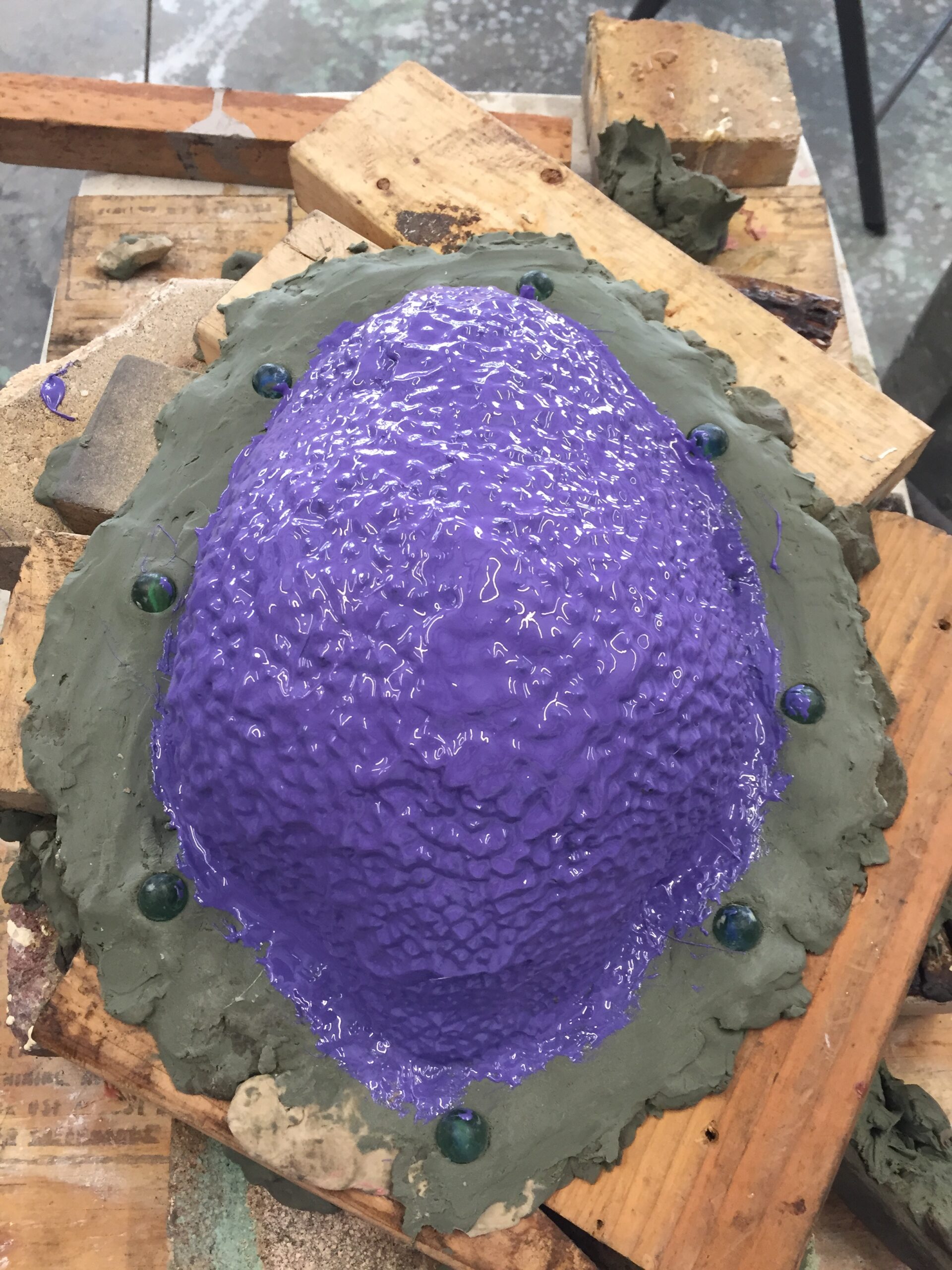
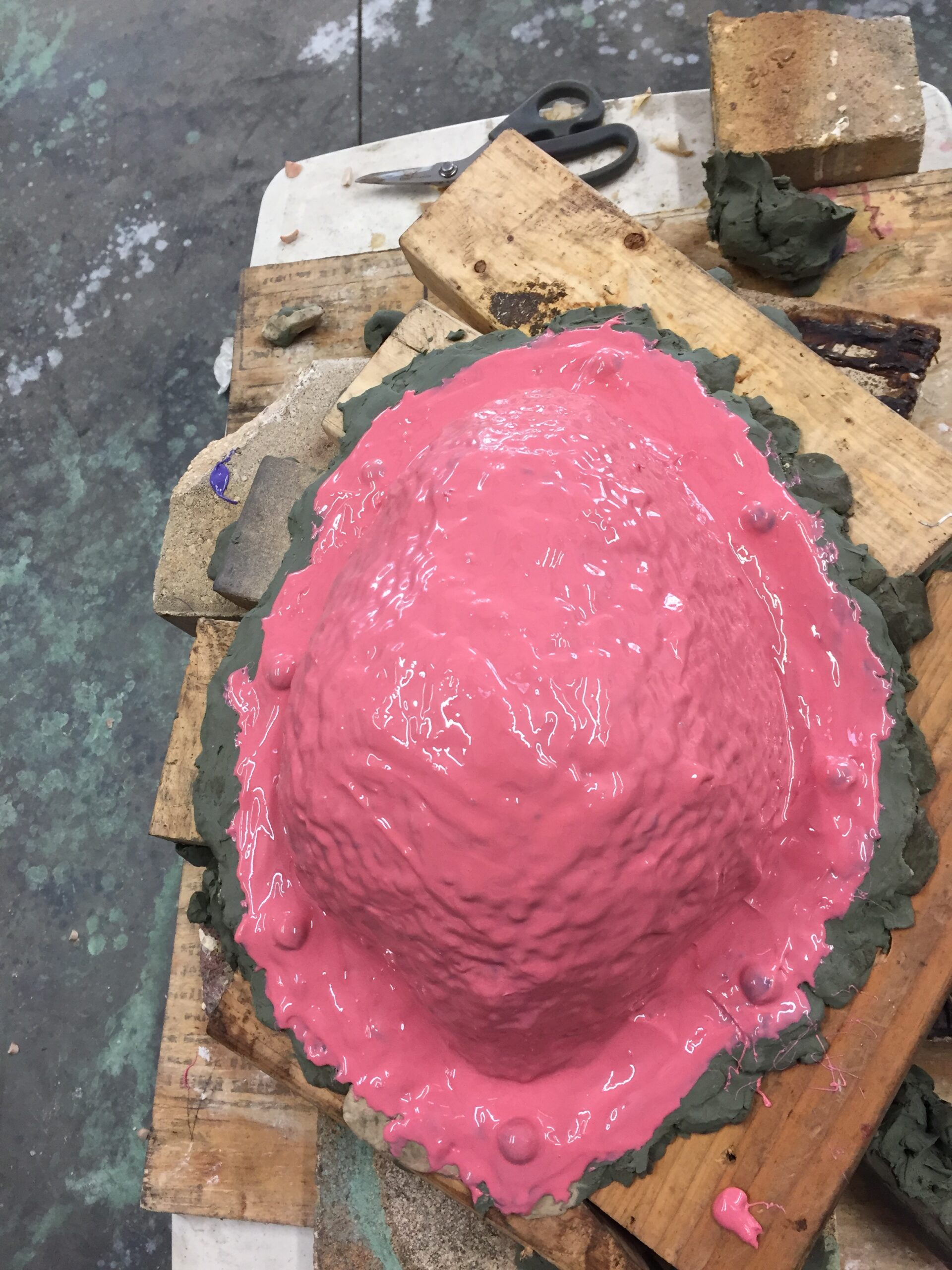
My current book project, Hot Mess: On Being and Making the Grotesque in the Age of AI, braids memoir, theology, and foundry fieldwork through the stages of lost-wax casting. It defends what I call the grotesque ontology of the human – porous, fragile, and mortal – against the frictionless logic of AI and digital simulation.
Lastly, but most importantly, I’m a husband to a remarkable woman and father to two amazing sons.